
Life and living
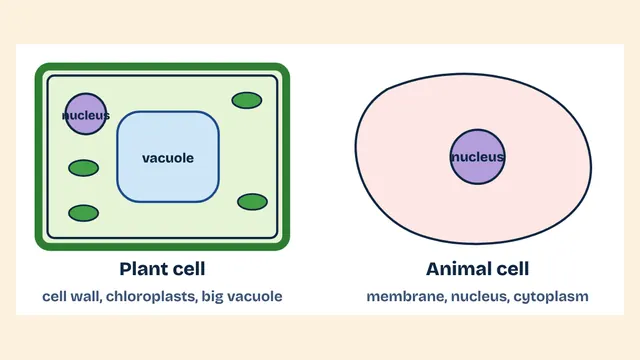
Paper 1 work · 7 summaries- Cells, tissues and organsThe cell as the building block of life, plant and animal cells, and how cells form tissues, organs and systems.
- Biodiversity and classificationThe variety of life, the five kingdoms, scientific names and why we conserve biodiversity.
- Reproduction in plantsThe parts of a flower, pollination and fertilisation, seed dispersal and asexual reproduction.
- The biosphere and ecosystemsThe biosphere, biotic and abiotic factors, and how populations, communities and ecosystems fit together.
- Vertebrates, invertebrates and plant groupsVertebrates and invertebrates, plant groups, variation and the dichotomous key.
- Animal groups in depthCold- and warm-blooded animals, invertebrate groups, and the five vertebrate classes up close.
- Variation, plant diversity and recyclingVariation within a species, plant groups, and how we sort and recycle waste.
Matter, energy and the universe
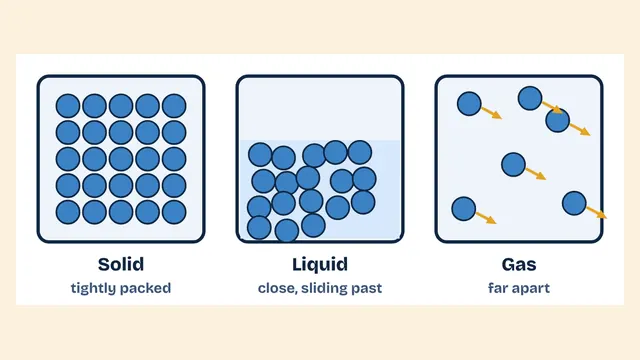
Paper 2 work · 20 summaries- Matter: elements, compounds and mixturesAtoms and molecules, elements, compounds and mixtures, and physical and chemical changes.
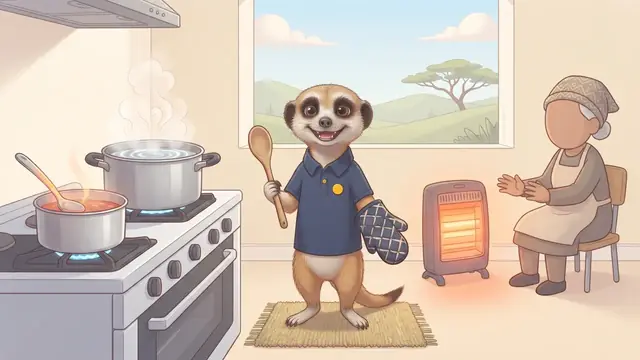
- Energy and heat transferConduction, convection and radiation, insulators, and the law of conservation of energy.
- The Sun, the Earth and the universeThe Sun as a star, galaxies, light years, nebulae and exoplanets.
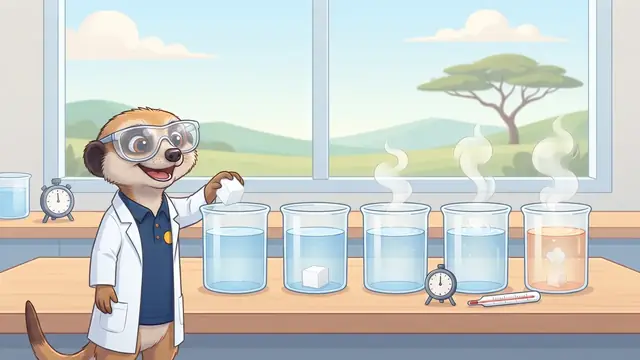
- Scientific investigation and variablesVariables, hypotheses, control groups and how to do a fair investigation.
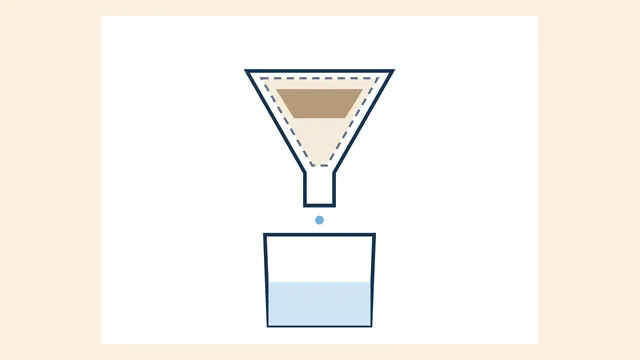
- Separating mixturesFiltration, evaporation, distillation, chromatography and other ways to separate mixtures.
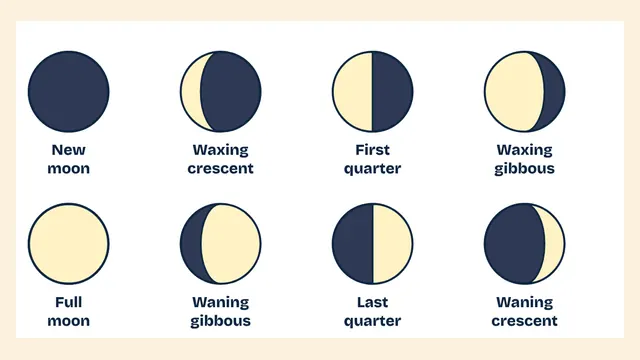
- The Moon, its phases and energy sourcesThe Moon’s phases and eclipses, tides, and renewable and non-renewable energy sources.
- Potential and kinetic energyPotential and kinetic energy, energy conversion, efficiency and power.
- Systems, input and output energySystems, input and output energy, mechanical systems, work, and the ways heat moves.
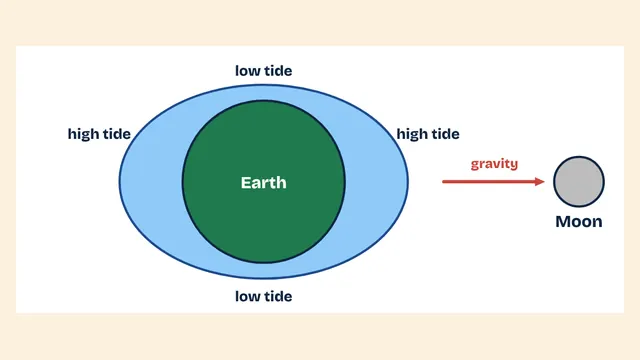
- Tides, melting points and kinds of matterTides and the tidal range, the Earth’s tilt, melting and boiling points, and organic matter.
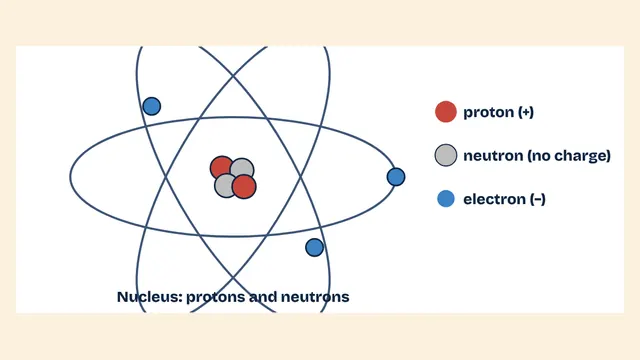
- Atoms, elements and the Periodic TableThe structure of an atom, the Periodic Table, symbols, and metals, non-metals and semi-metals.
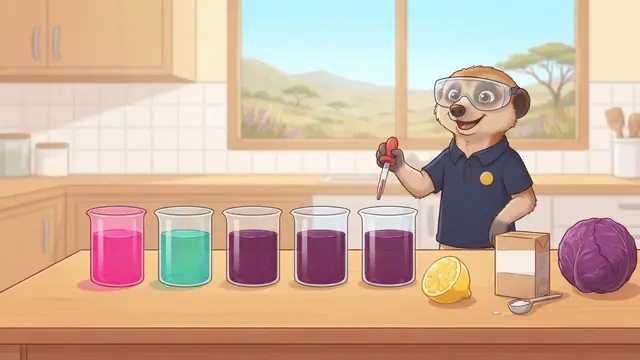
- Acids, bases and indicatorsAcids, bases and indicators, the pH scale, neutralisation and acid rain.
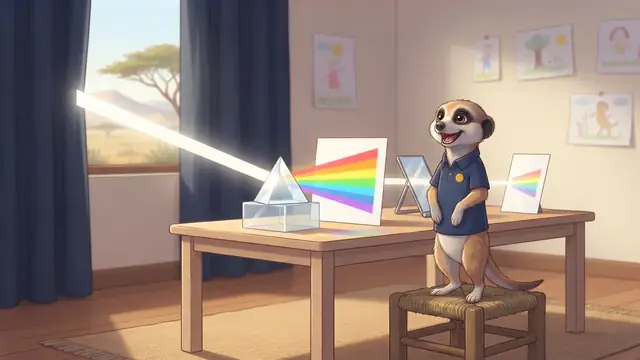
- Visible light: reflection, refraction and colourHow light travels, shadows, reflection and refraction, and where colour comes from.
- The atmosphere, weather and climate changeThe layers of the atmosphere, weather and climate, the greenhouse effect, climate change and air pollution.
- Properties of materialsThe properties of materials, and how boiling point and melting point help identify a substance.
- Choosing a separation methodHow to choose the right separation method, and separate mixtures in steps.
- Energy transfers and efficiencyEnergy transfers, efficiency and wasted energy, and comparing energy sources.
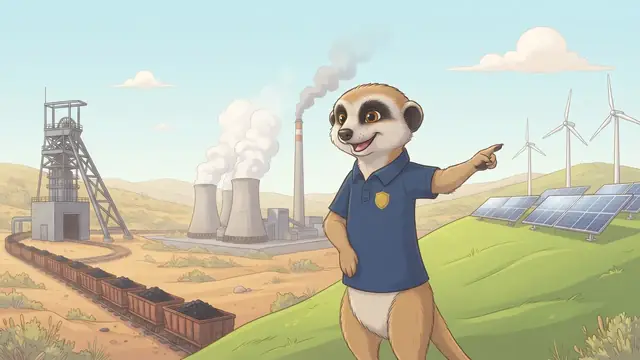
- The national electricity supply and conservation of energyHow South Africa generates and distributes electricity, the national grid, load shedding and saving energy.
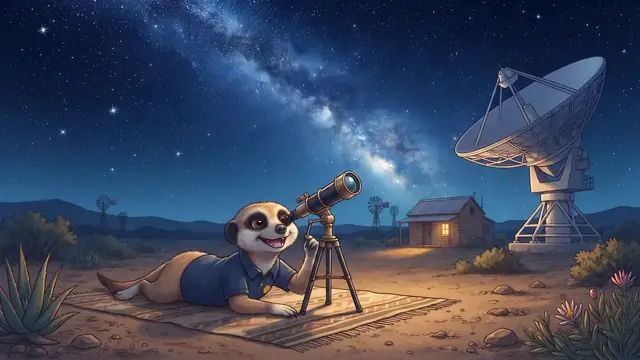
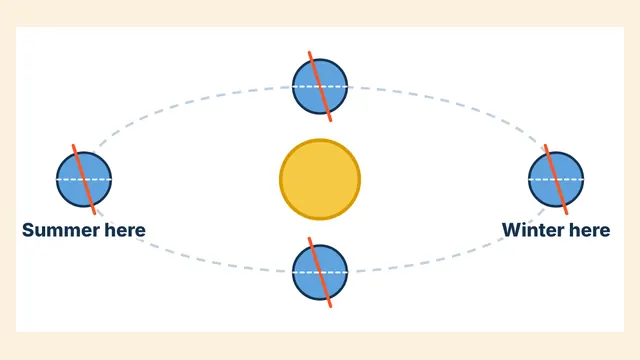
- The seasons and the history of astronomyWhy we have seasons, solstices and equinoxes, and the history of astronomy up to the SKA.
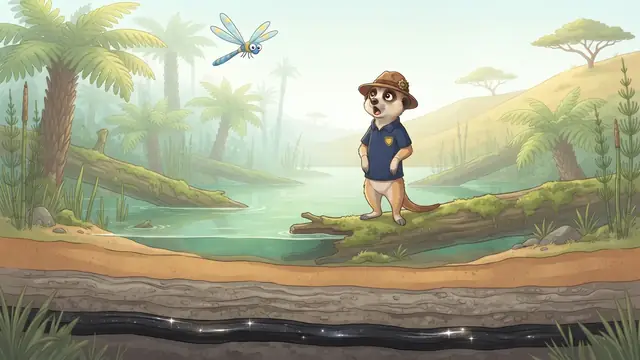
- How fossil fuels form and the Sun's energyHow coal, oil and gas form, why they are ‘stored sunlight’, and how the Sun powers all life.
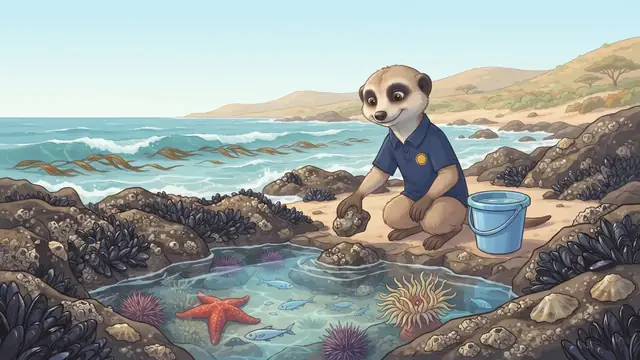
- Tides, coastal ecosystems and gravityGravity, why there are two tidal bulges, spring and neap tides, and life in the intertidal zone.
For parents
- Choose one topic per evening. Let your child read the summary and then tell it to you in their own words.
- The ticks (“I know this”) are saved on this device only, so you can see how far you have come. We never ask for names or emails.
- After the summary the quiz is the perfect test: every question explains the answer.
Ready to test yourself? All the Grade 7 Natural Sciences quizzes are free.
Other grades: Grade 4 Grade 5 Grade 6
Follows CAPS for Grade 7 Natural Sciences.