
Reproduction in plants
The parts of a flower, pollination and fertilisation, seed dispersal and asexual reproduction. Read one part at a time and tap “I know this”. Then test yourself in the quiz.
Know it already? Jump straight to the quiz
The flower
Many flowers are bright and scented to attract pollinators. Wind-pollinated flowers are dull, because they do not need to attract insects. A plant makes far more pollen than seeds, because most pollen never reaches a flower. Some flowers avoid pollinating themselves because their male and female parts ripen at different times.
- Sepals: green, leaf-like parts that protect the flower bud.
- Petals: often brightly coloured and scented to attract pollinators.
- Stamen = anther (makes pollen) + filament (the stalk that holds up the anther).
Pollination and fertilisation
Pollination = pollen is transferred from the anther to the stigma. Fertilisation = a male sex cell from the pollen grain joins the egg cell inside an ovule (in the ovary).
After pollination, the pollen grain grows a pollen tube down through the style into the ovary. A male sex cell moves down the tube and joins the egg cell inside an ovule: this is fertilisation. The fertilised ovule becomes a seed and the ovary becomes the fruit.
Bees are very important for agriculture: they pollinate many food crops.
Spreading seeds
| How | Example |
|---|---|
| Animals eat the fruit | Berries, figs |
| Hooks onto fur | Burrs |
| Wind | Dandelion fluff |
| Water | Coconut |
| Pods burst open and shoot out the seeds | Bean and pea pods |
| Heavy fruit falls and rolls away | Apples, mangoes |
Seed dispersal stops new plants competing with the parent plant. A seed needs water, warmth and air to germinate and become a seedling. A gardener grows a plant from a cutting so that it is exactly like the parent.
Remember this and test yourself
- The stamen (male) makes pollen; the pistil (female) has a stigma, style and ovary.
- Pollination: pollen moves to the stigma. Fertilisation: a male sex cell from the pollen joins the egg cell in an ovule, inside the ovary.
- After fertilisation the ovary becomes a fruit and the ovule a seed.
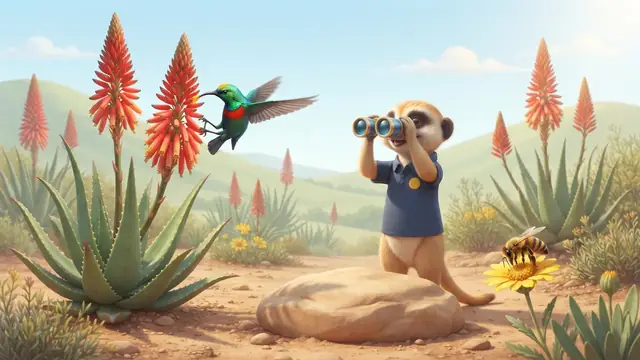
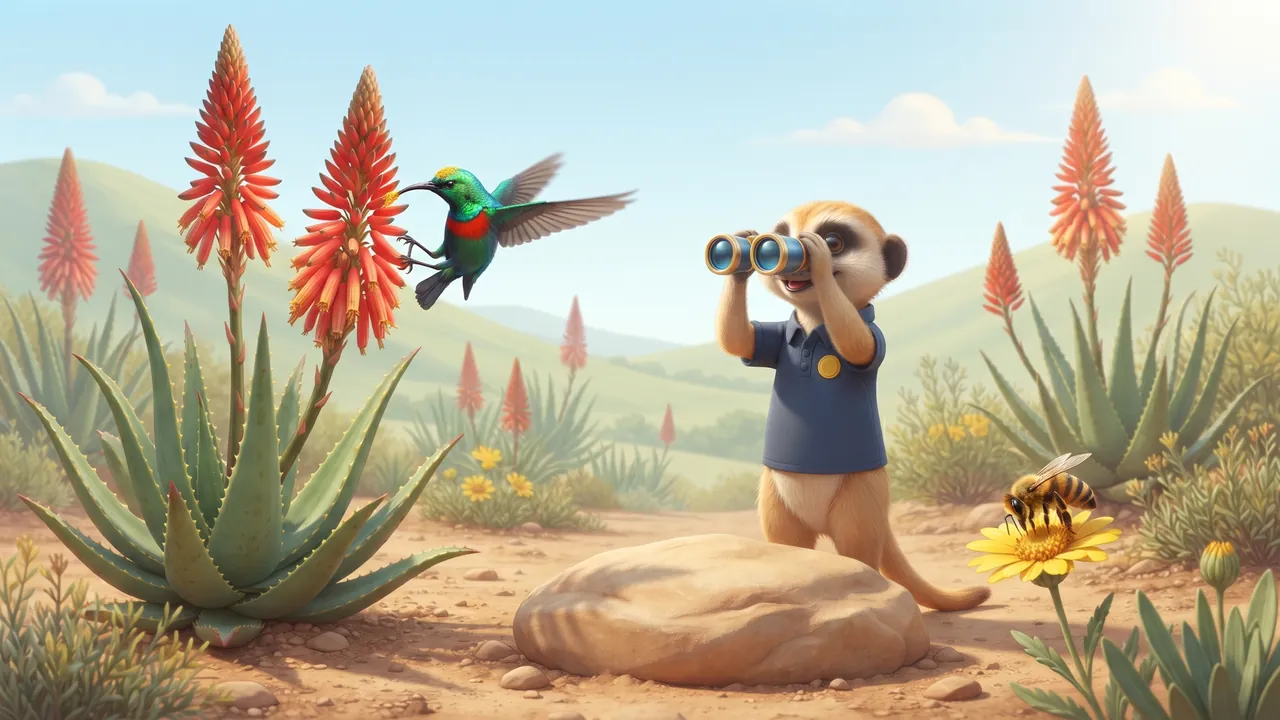
- Bees and sunbirds (on aloes) pollinate; grass is pollinated by the wind.
- Asexual: without seeds, like a sprouting potato or a cutting.
Write these points in your book. Read them again the night before the test.

Stamen = he (male): think “sta-MEN”. Pistil = she (female). First pollinate (pollen travels), then fertilise (a male cell and the egg cell join).
Important words
First say what the word means, then turn the card over.
Match column A to column B
Tap a word in column A, then its meaning in column B. You can also start in column B.
True or false?
Read the question and the answer. Is the answer right? Tap True or False.

Now the real quiz!
The quiz has many more questions on this topic. Every question shows straight away whether you are right and explains why.
Take the quiz: Reproduction in plants- Read one part together and ask your child to tell it back in their own words.
- The ticks (“I know this”) are saved on this device only. We never ask for names or emails.
Follows CAPS for Grade 7 Natural Sciences. Always check your teacher’s notes and textbook too.