
Life, living and matter
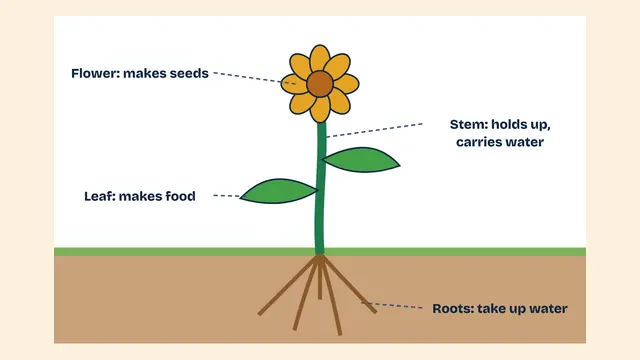
Paper 1 work · 10 summaries- Plants and their partsThe parts of a plant, what each part does, and what a plant needs to grow.
- Animals and their needsWhat animals need, what they eat, and how we sort them into groups.
- HabitatsWhere plants and animals live, and how they are adapted to their habitat.
- Food chainsWho eats whom: producers, consumers, predators, prey and decomposers.
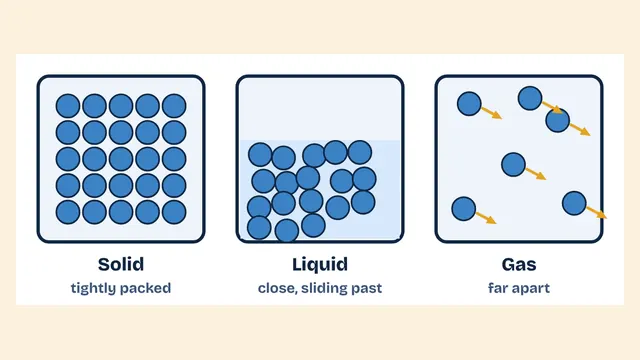
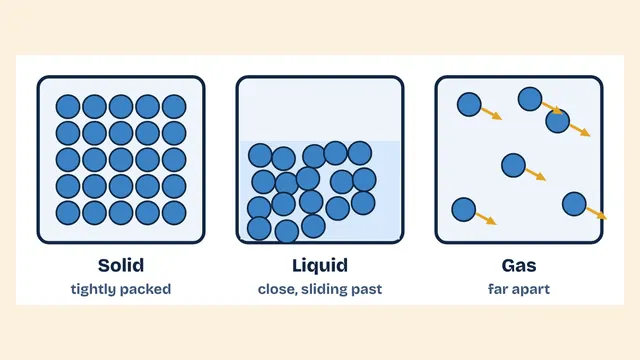
- Matter and materialsSolids, liquids and gases, and how substances melt, freeze, evaporate and condense.
- Choosing materialsHow the properties of a material decide what we use it for.
- The seven life processesThe seven things that all living things do, and how to tell living and non-living apart.
- The senses and choosing materialsOur five senses, how animals use their senses, and how we choose materials.
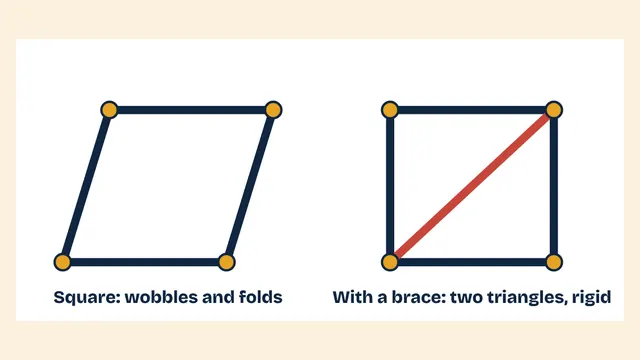
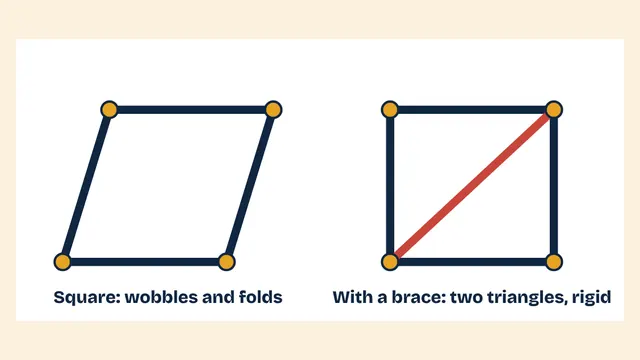
- Frame structuresHow frame structures are built, why triangles help, and where you find frames around you.
- Raw materials and structures from natureWhere materials come from, and how we learn from nature to build.
Energy, Earth and technology
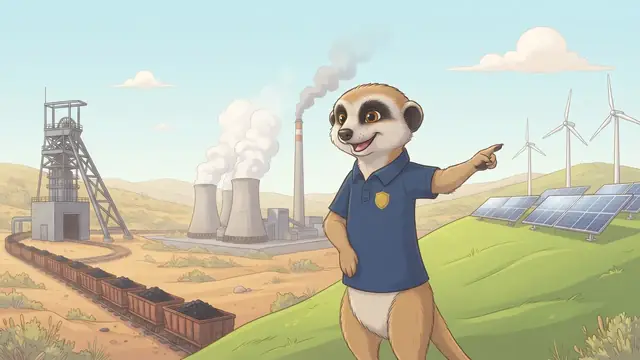
Paper 2 work · 21 summaries- Energy and its sourcesWhere energy comes from, and the difference between renewable and non-renewable sources.
- Movement and forcesForces are pushes and pulls: gravity, friction and magnetism.
- Electric circuitsHow a simple circuit works, and how to stay safe with electricity.
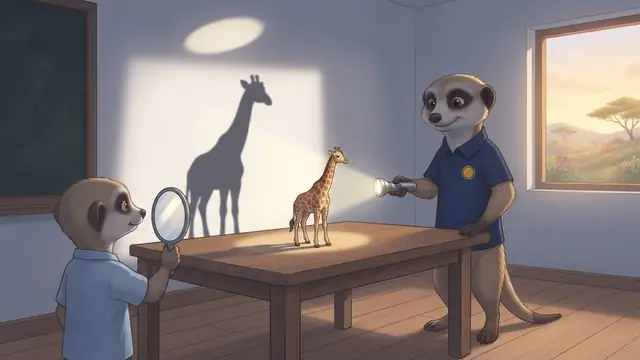
- Sound and lightHow sound is made by vibrations and how light travels in straight lines and makes shadows.
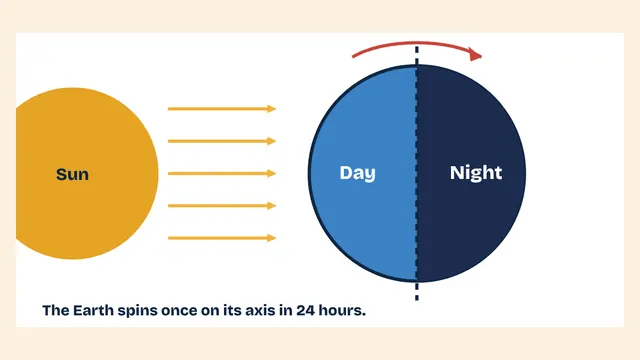
- The Sun, Earth and MoonThe Sun as a star, day and night, shadows through the day, and the Moon’s light.
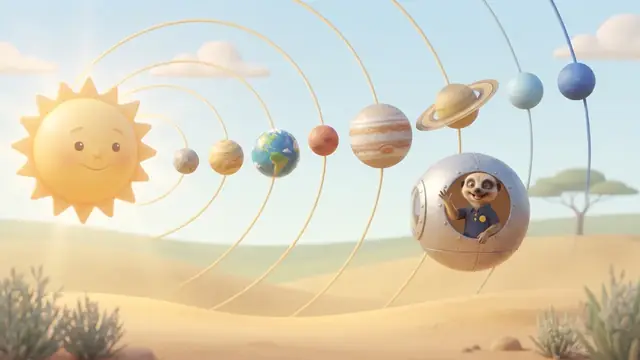
- The solar systemThe Sun and the eight planets, other objects in space, and the seasons.
- StructuresFrame, shell and solid structures, and what makes a structure strong and stable.
- The design processThe steps of the design process, from the problem to a tested solution.
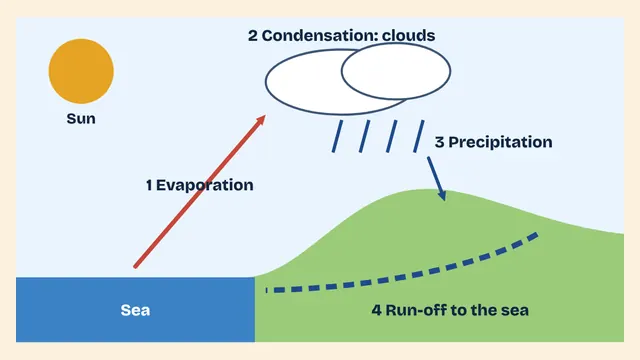
- The water cycleHow water moves round and round through evaporation, condensation and precipitation.
- Processing materialsHow factories and workers change raw materials into things we can use.
- Practical investigationHow to do a scientific investigation step by step and safely.
- Melting point and reading graphsWhat a melting point is, and how to read a bar graph of melting points.
- Reversible and irreversible changesChanges you can reverse, and changes that make something new.
- Fossil fuelsCoal, oil and gas: how they formed, what we use them for, and why we should use less.
- Moon phases and the Earth’s orbitWhy the Moon looks different every night, the phases in order, and the Earth’s orbit.
- Energy conversion and transferHow energy changes from one form to another, and how heat moves.
- Sound: vibration, pitch and loudnessVibration, pitch and loudness, and how the ear sends sound to the brain.
- Stored and moving energy, particles and floatingStored and moving energy, particles in solids, liquids and gases, and what floats or sinks.
- Energy transfer and rocket systemsEnergy chains, input and output, and how a rocket works.
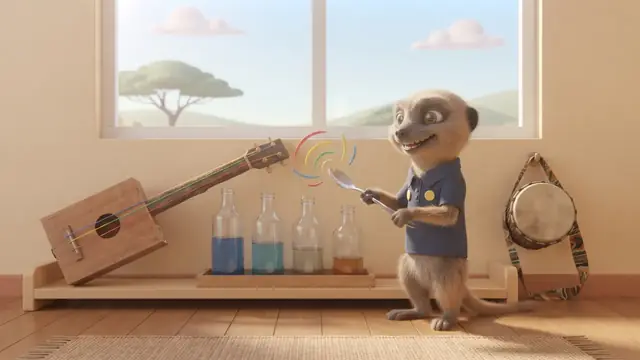
- Indigenous instruments and noise pollutionIndigenous musical instruments, how they make sound, and how we limit noise pollution.
- Planet Earth and the Moon: features and storiesThe Earth’s shape, layers, continents and oceans, the Moon’s surface, and stories about the Moon.

For parents
- Choose one topic per evening. Let your child read the summary and then tell it to you in their own words.
- The ticks (“I know this”) are saved on this device only, so you can see how far you have come. We never ask for names or emails.
- After the summary the quiz is the perfect test: every question explains the answer.
Ready to test yourself? All the Grade 4 Natural Sciences quizzes are free.
Other grades: Grade 5 Grade 6 Grade 7
Follows CAPS for Grade 4 Natural Sciences and Technology.