
Energy and heat transfer
Conduction, convection and radiation, insulators, and the law of conservation of energy. Read one part at a time and tap “I know this”. Then test yourself in the quiz.
Know it already? Jump straight to the quiz
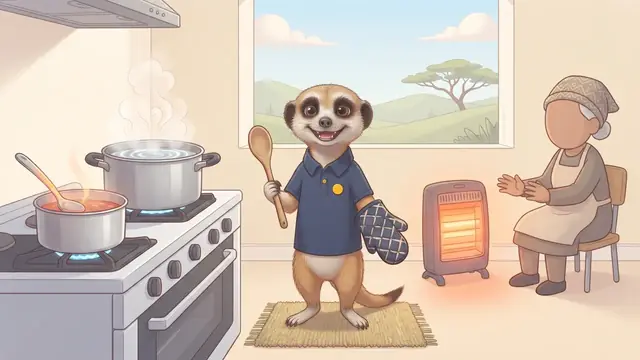
Three ways
- A metal chair feels colder than a wooden one at the same temperature: metal conducts heat away from you faster.
- A convection current spreads warmth through the air in a room.
- The Sun’s heat reaches us by radiation.
- Evaporation is not one of the methods of heat transfer.
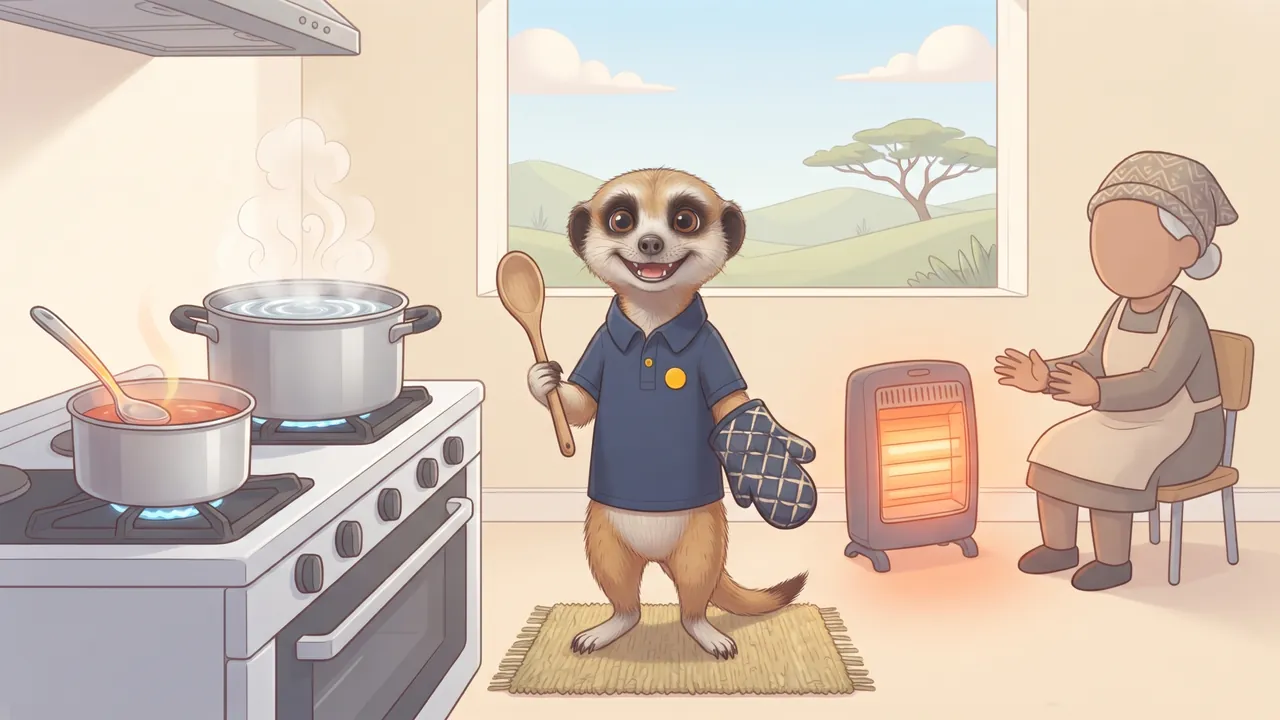
Insulate and reflect
- A winter jersey keeps you warm: air is trapped between the fibres.
- A house’s ceiling is insulated: most heat escapes through the roof.
- A dark surface absorbs more radiation; in the desert people wear loose white clothing.
- A vacuum flask: the vacuum (airless gap) stops conduction and convection, the shiny walls reflect radiation back, and the stopper stops heat escaping by convection at the top.
Energy is conserved
In a closed system the total energy stays constant. A runner changes chemical energy into movement; a solar panel changes light into electricity. When a car brakes, movement energy becomes heat. A filament bulb is inefficient: most energy becomes heat.
Insulation at home
- A hot box (wonder box) is a box full of insulation: put a boiling pot inside, and the food keeps cooking without power.
- A cool box keeps cold things cold, because the insulation stops heat from coming in from outside.
- Insulation in the ceiling keeps the house warm in winter and cool in summer. Jerseys, beanies and blankets are insulation for the body.
- Many traditional homes in South Africa, with thick clay walls and thatched roofs, are built to stay cool in the heat and warm in the cold.
Remember this and test yourself
- Conduction: heat by direct contact in a solid. Convection: by a moving liquid or gas. Radiation: by waves, even through empty space.
- Heat always flows from hot to cold.
- Warm air rises, because it is less dense; that is why a kettle’s element is at the bottom.
- An insulator conducts heat poorly; air pockets (wool, foam plastic) insulate best.
- Energy cannot be created or destroyed: conservation of energy. Unit: the joule.
Write these points in your book. Read them again the night before the test.

Conduction = by touching (solids). Convection = by currents (liquids and gases). Radiation = by rays (even through space).
Important words
First say what the word means, then turn the card over.
Match column A to column B
Tap a word in column A, then its meaning in column B. You can also start in column B.
True or false?
Read the question and the answer. Is the answer right? Tap True or False.

Now the real quiz!
The quiz has many more questions on this topic. Every question shows straight away whether you are right and explains why.
Take the quiz: Energy and heat transfer- Read one part together and ask your child to tell it back in their own words.
- The ticks (“I know this”) are saved on this device only. We never ask for names or emails.
Follows CAPS for Grade 7 Natural Sciences. Always check your teacher’s notes and textbook too.