
Life, ecosystems and matter
Paper 1 work · 9 summaries- Photosynthesis and food websPhotosynthesis as a word equation, and how food webs share the Sun’s energy.
- Ecosystems and adaptationsLiving and non-living parts of an ecosystem, adaptations, relationships and threats.
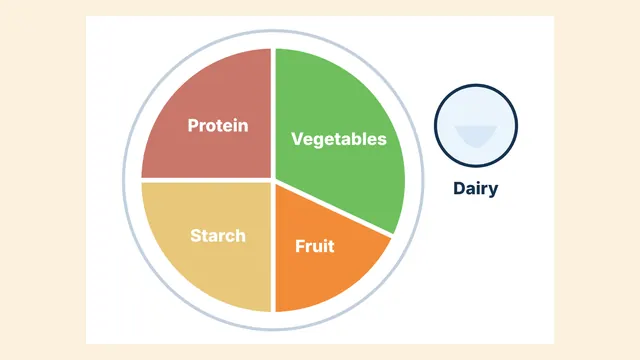
- Nutrition and healthThe nutrients our body needs, a balanced diet, and how digestion works.
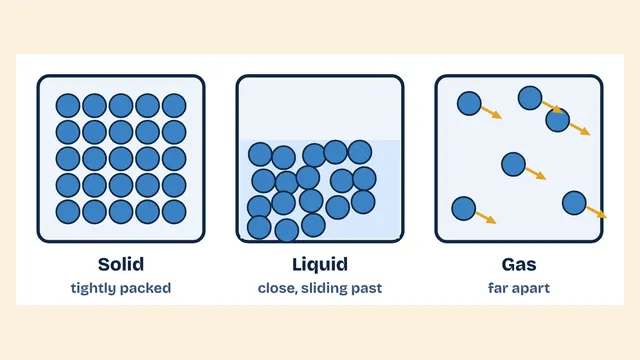
- Matter, mixtures and separationParticles, mixtures and pure substances, and more separation methods.
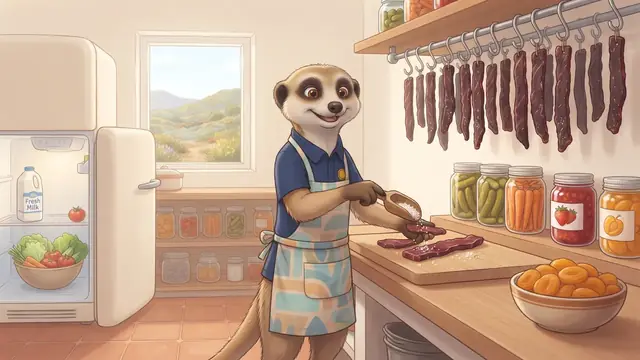
- Food processing and preservingWhy food goes bad, how we process and preserve food, and how to handle food safely.
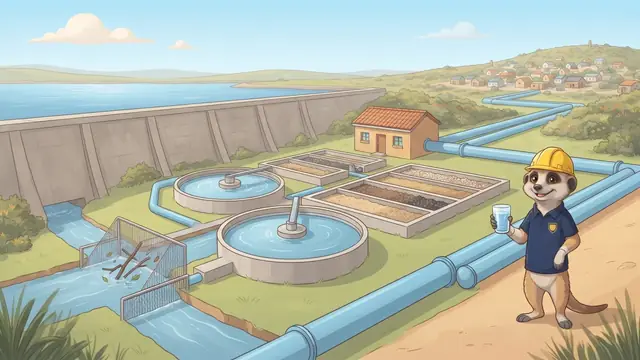
- Water: purification and water resourcesHow river water becomes clean drinking water, our water resources, and how we save water.
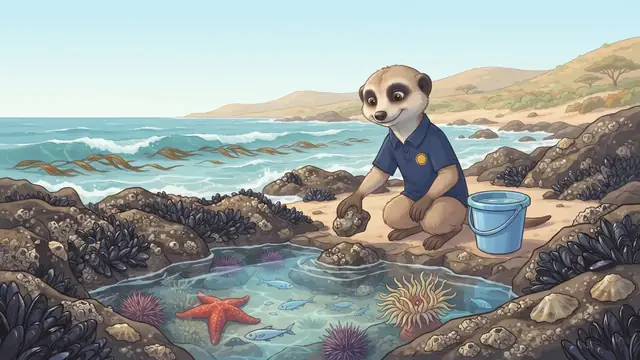
- Rocky shores and coastal ecosystemsThe intertidal zone, how rocky-shore animals are adapted, ocean currents and protecting our coast.
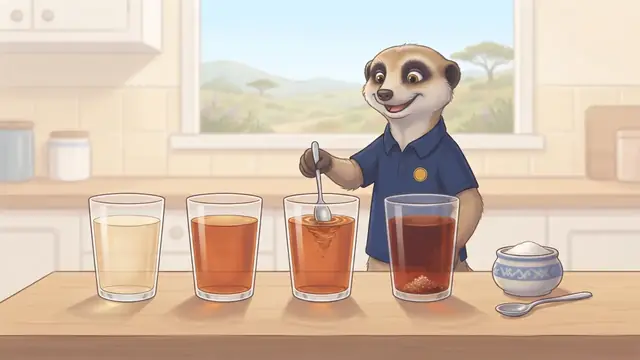
- Solutions and dissolvingSolute and solvent, dilute and concentrated, and what makes dissolving faster.
- Doing a scientific investigationHow to plan a fair investigation, measure, work out averages and draw a graph.
Energy, space and technology
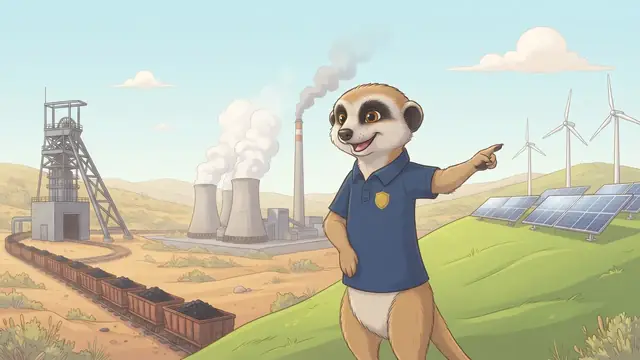
Paper 2 work · 12 summaries- Generating electricityHow power stations generate electricity, renewable sources, and South Africa’s energy choices.
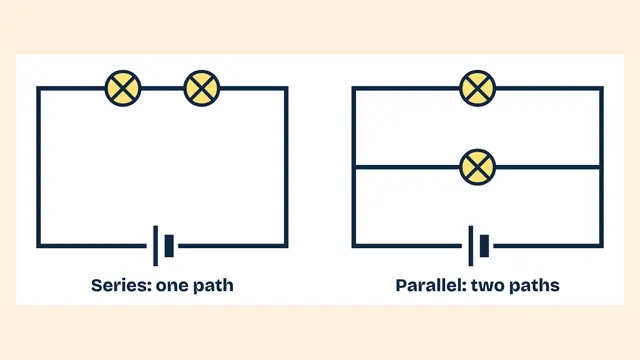
- Electric circuitsSeries and parallel circuits, voltage and resistance, and safety at home.
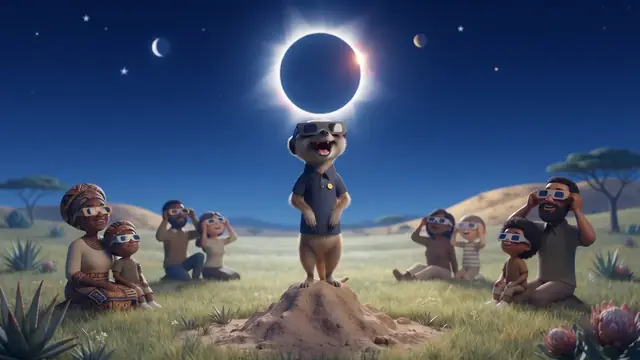
- The solar system and eclipsesThe planets up close, asteroids and meteors, and how solar and lunar eclipses work.
- Technology: systems and structuresInput, process and output, mechanisms like levers and gears, and strong structures.
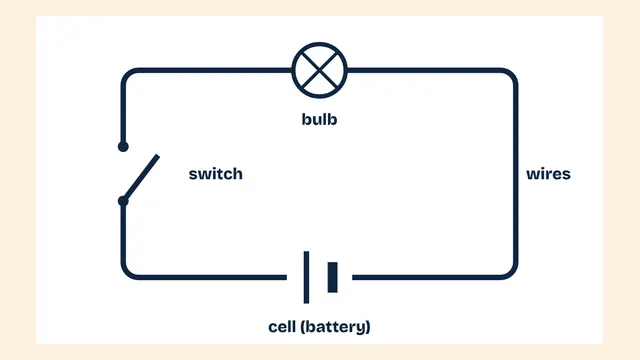
- Circuit diagrams and the cost of electricityCircuit symbols and diagrams, and how we lower the cost of electricity.
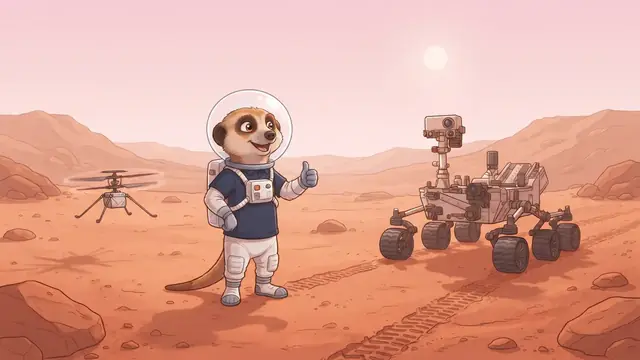
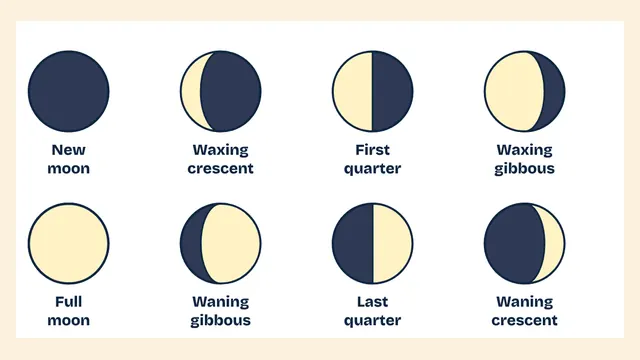
- Moon phases, space vehicles and designMoon phases and eclipses, spacecraft and rovers, the SKA, and constraints and specifications.
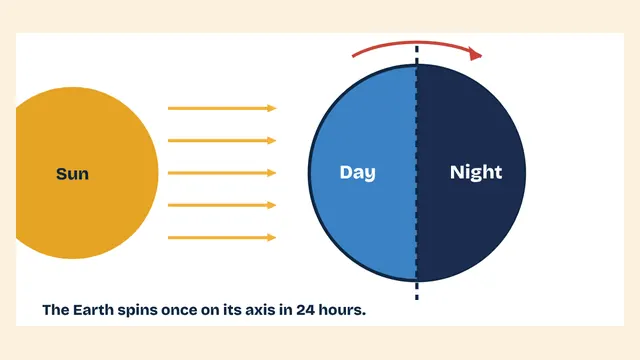
- Rotation and revolutionThe difference between rotation and revolution, leap years, time zones and the seasons.
- Circuits: conductors and insulatorsHow to test whether a material is a conductor or an insulator, and why it matters.
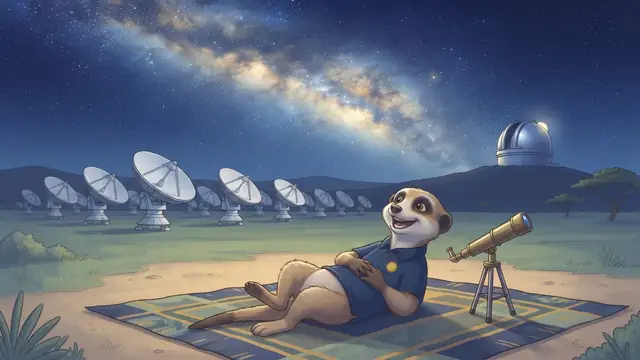
- Telescopes and lensesHow telescopes and lenses work, the kinds of telescopes, and the history up to SALT and MeerKAT.
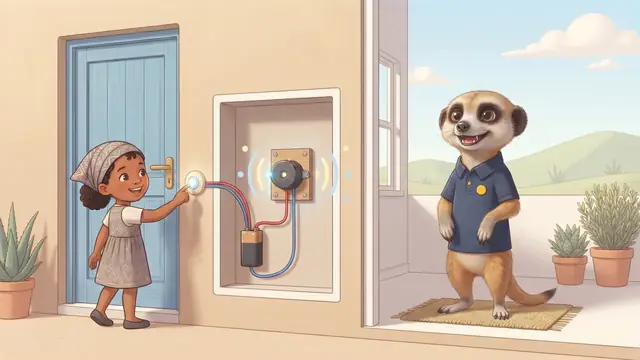
- Circuits that solve problemsCircuits that solve problems: alarms, doorbells, sensors and traffic lights.
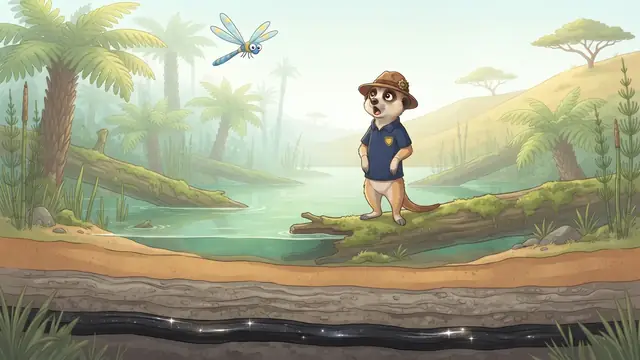
- How fossil fuels formed and where our energy comes fromHow coal, oil and gas formed, and how the energy in your kettle comes from the Sun.
- The Moon's rotation and revolutionHow the Moon rotates and revolves, why we always see the same side, and the moon phases.
For parents
- Choose one topic per evening. Let your child read the summary and then tell it to you in their own words.
- The ticks (“I know this”) are saved on this device only, so you can see how far you have come. We never ask for names or emails.
- After the summary the quiz is the perfect test: every question explains the answer.
Ready to test yourself? All the Grade 6 Natural Sciences quizzes are free.
Other grades: Grade 4 Grade 5 Grade 7
Follows CAPS for Grade 6 Natural Sciences and Technology.