
Systems, input and output energy
Systems, input and output energy, mechanical systems, work, and the ways heat moves. Read one part at a time and tap “I know this”. Then test yourself in the quiz.
Know it already? Jump straight to the quiz

Kinds of systems
| System | Example | Input → output |
|---|---|---|
| Mechanical | Bicycle | Pedalling → movement |
| Electrical | Torch | Chemical in cells → light |
| Thermal | Solar water heater on the roof | Sunlight → hot water |
| Biological | A runner’s body | Food → movement |
A coal power station is also a system: many parts work together to change energy. Biofuel is made from plants or dung; biogas from cow dung is renewable, because cows make more dung every day.
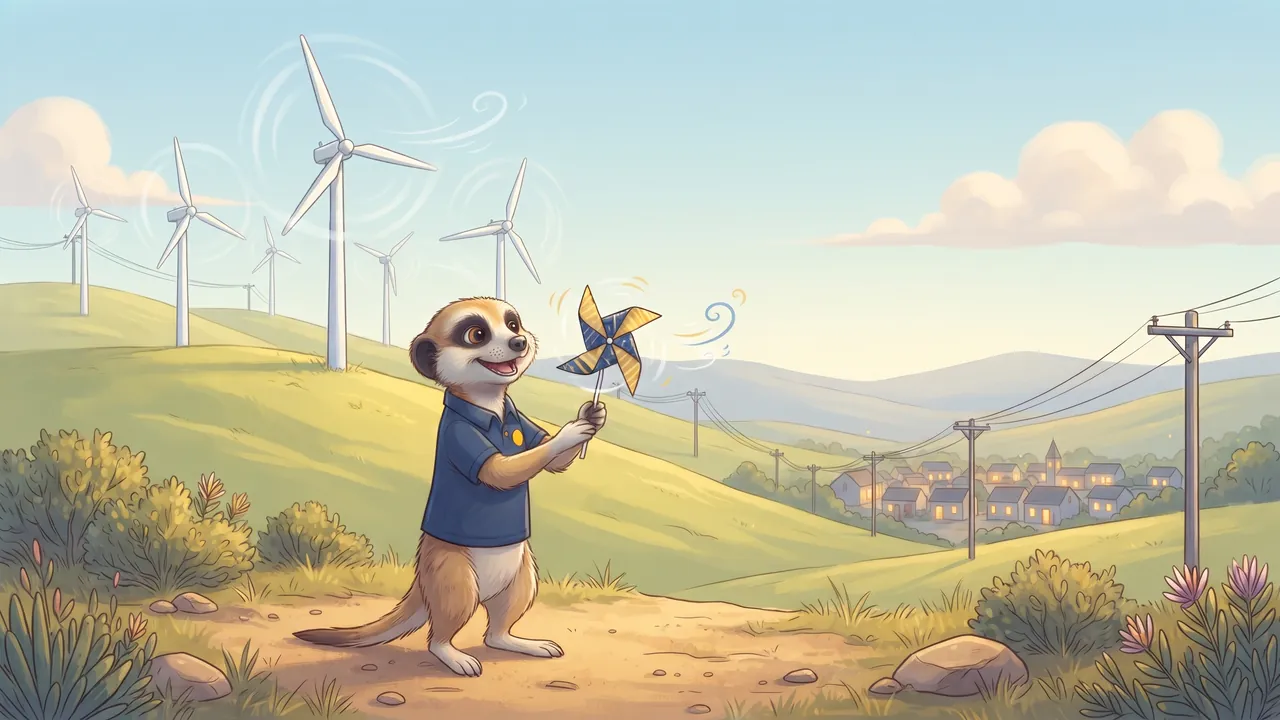
Energy and work
- A stone at the top of a hill has potential energy; as it rolls down, it becomes kinetic. Kinetic energy depends on mass and speed.
- Lift the same bag 2 m instead of 1 m: twice as much work.
- A swing slowly stops if nobody pushes: the energy became heat and sound through friction.
- Energy chain: light → chemical in a plant → movement in an animal.
Heat at home
- A heater stands on the floor: warm air rises and spreads through the room (convection).
- Wear dark colours in winter (absorb heat) and light colours in summer (reflect heat).
- A vacuum flask’s shiny inside reflects radiation back.
- The best way to keep a house warm: insulation in the roof and around windows.
Remember this and test yourself
- A system is parts working together for one job: a bicycle, a horse pulling a cart, a runner’s body.
- Input energy goes in; useful output energy comes out; the rest mostly becomes heat.
- Wasted energy = input − useful output: 800 J − 560 J = 240 J.
- A lever increases force; a pulley changes the direction of a force; gears pass on turning and change speed.
- Work is done when a force moves an object; energy is the ability to do work.
Write these points in your book. Read them again the night before the test.

Input − output = wasted. The wasted energy is almost always heat.
Important words
First say what the word means, then turn the card over.
Match column A to column B
Tap a word in column A, then its meaning in column B. You can also start in column B.
True or false?
Read the question and the answer. Is the answer right? Tap True or False.

Now the real quiz!
The quiz has many more questions on this topic. Every question shows straight away whether you are right and explains why.
Take the quiz: Systems, input and output energy- Read one part together and ask your child to tell it back in their own words.
- The ticks (“I know this”) are saved on this device only. We never ask for names or emails.
Follows CAPS for Grade 7 Natural Sciences. Always check your teacher’s notes and textbook too.