
African kingdoms, the slave trade and sources
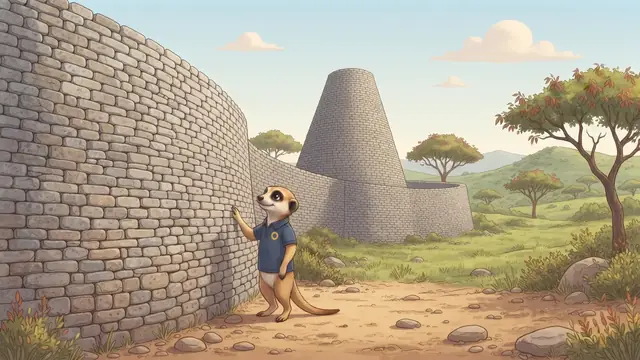
Paper 1 work · 9 summaries- Early African kingdomsEarly African kingdoms: Mapungubwe, Great Zimbabwe and Mali, and how we know about them.
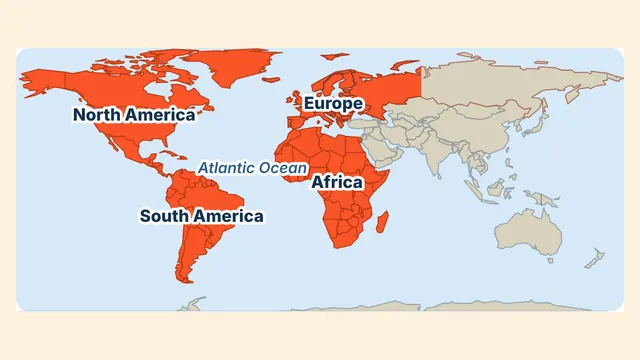
- The transatlantic slave tradeThe transatlantic slave trade: the triangular trade, the Middle Passage, plantations, resistance and abolition.
- Sources and historySources and history: source criticism, bias, the past through others’ eyes, and myths.
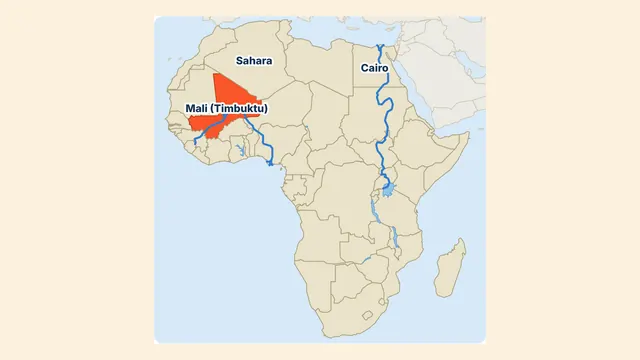
- Trans-Saharan trade and Africa before slaveryTrans-Saharan trade: camel caravans, gold and salt, Mali and Mansa Musa, and Africa before slavery.
- The slave ships and the slave marketThe slave ships, the Middle Passage, the slave market, plantations and how enslaved people resisted.
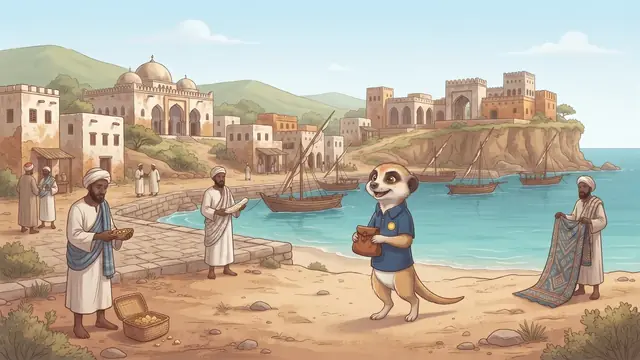
- Indian Ocean trade and the interior, 800–1600Indian Ocean trade and the interior (800–1600): Kilwa, Sofala, Mapungubwe, Great Zimbabwe and the Mutapa.
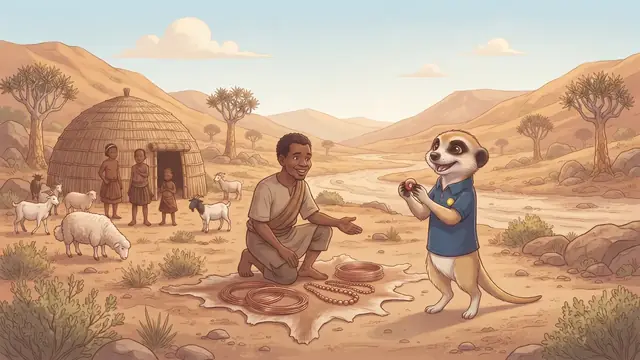
- Pre-colonial economies of the semi-arid societiesPre-colonial economies of the dry interior: herders and hunter-gatherers, exchange, copper and rain.
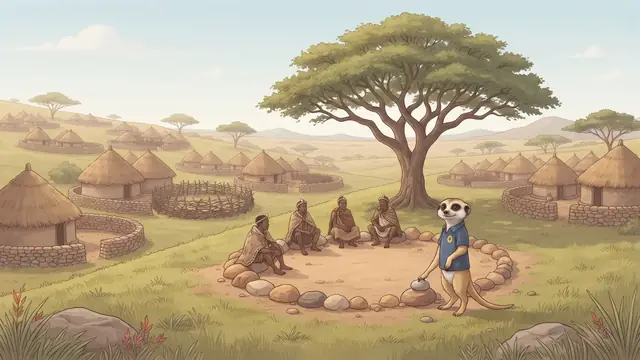
- African towns and cities of the interior, c1700–1820sTswana stone-walled towns of the interior (c1700–1820s): Dithakong, Kaditshwene, the kgotla and the Difaqane.
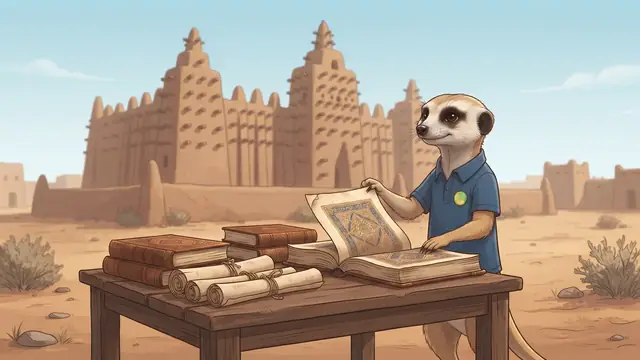
- Timbuktu, Mansa Musa and West African learningTimbuktu, Mansa Musa’s pilgrimage and West African learning and manuscripts.
The Cape, the British takeover and the frontier
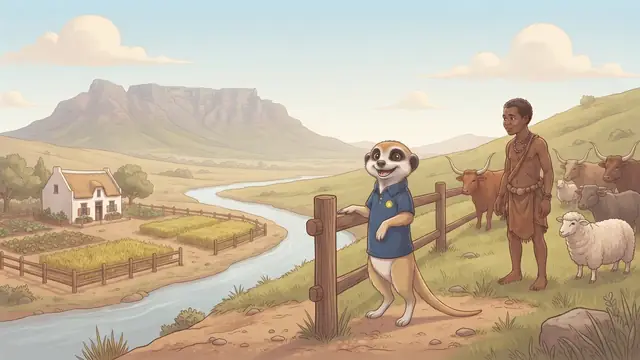
Paper 2 work · 15 summaries- Colonisation of the CapeThe VOC at the Cape: the refreshment station, the free burghers, slavery and the consequences for the Khoikhoi.
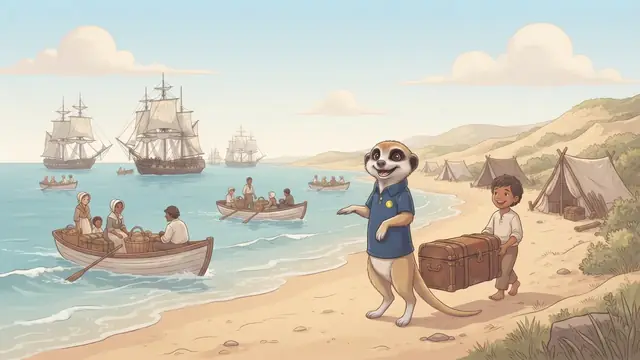
- The British takeover and its consequencesThe British takeover of the Cape, the 1820 Settlers, the end of slavery and the causes of the Great Trek.
- Cooperation and conflict on the frontierCooperation and conflict on the eastern frontier: land, cattle, the frontier wars and the people who played a role.
- The Great Trek and Blood River (Enrichment)The Great Trek, the Battle of Blood River and the Vow, and why we study both sides.
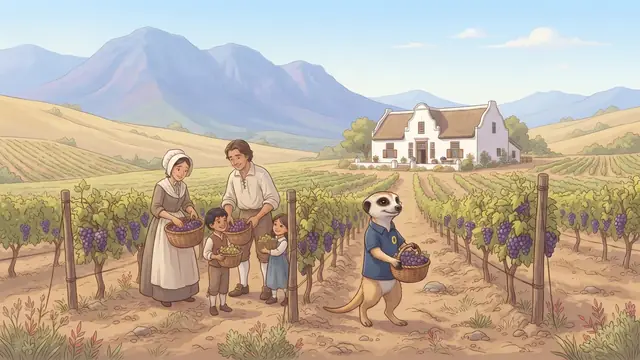
- The Dutch and the Huguenots at the CapeThe Dutch, Huguenots and Germans at the Cape: free burghers, vineyards, Adam Tas and a lasting legacy.
- Slavery at the Cape: work, resistance and freedomSlavery at the Cape: work, resistance, Islam, freedom and its legacy.
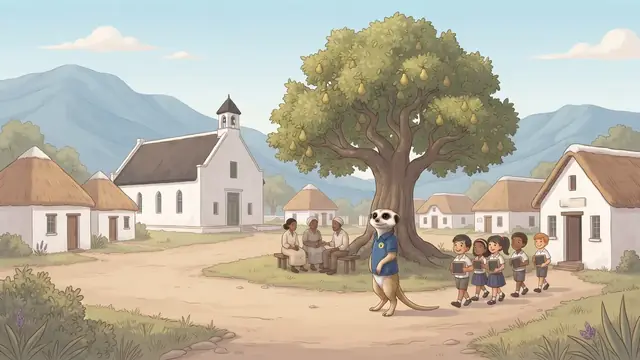
- Mission stations and GenadendalMission stations: Genadendal, Georg Schmidt, what the missionaries did, and a fair judgement.
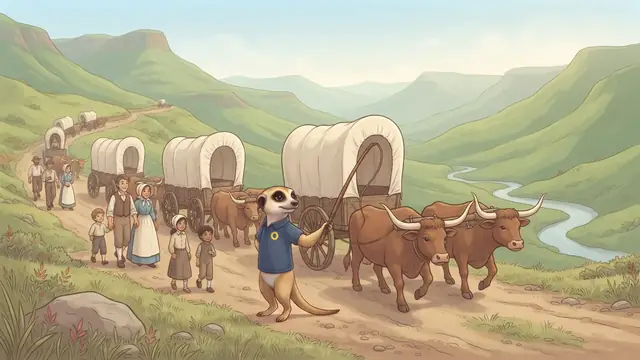
- The life of a trekboerThe life of a trekboer: self-sufficiency, the ox wagon, loan farms, nagmaal and whose land they moved onto.
- The Khoikhoi and San at the CapeThe Khoikhoi and San at the Cape: their way of life, Autshumao and Krotoa, trade and conflict with the Dutch.
- The VOC settlement: the Haerlem, the fort and the CastleThe VOC settlement: the Haerlem, the fort, the Castle, Robben Island and the urge to trek.
- Slavery at the Cape: rebellions and legacySlavery at the Cape: where enslaved people came from, rebellions, and their legacy in names, language, food and faith.
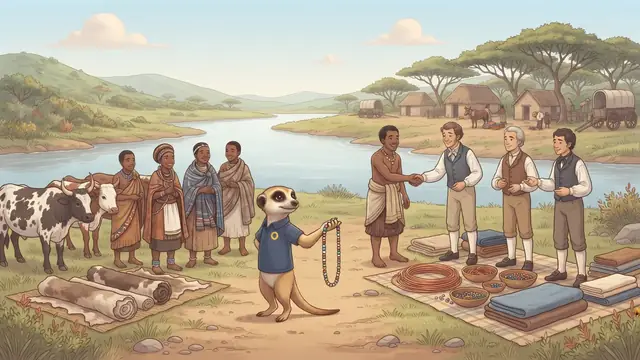
- The northern frontier: Kora, Griqua, Tswana and landThe northern frontier: the Kora, Griqua and Tswana, trade, missionaries, guns and horses, and land loss.
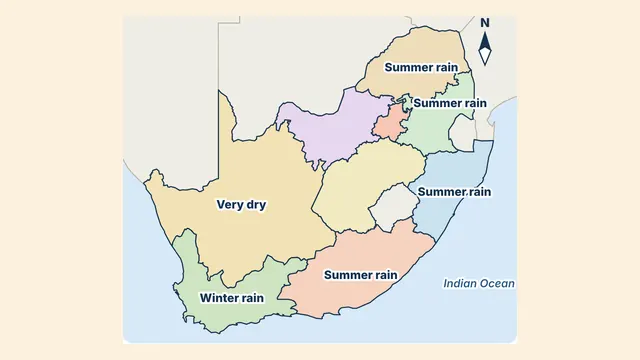
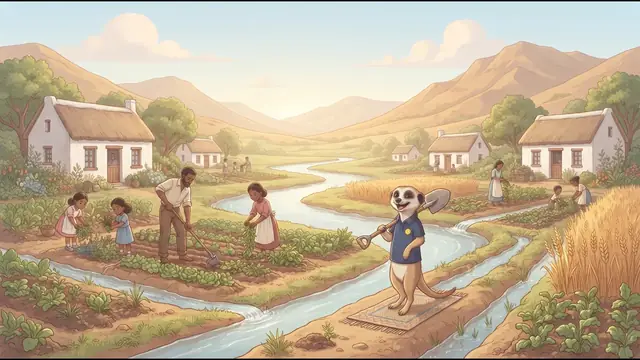
- Where African farmers settled and whyWhere African farmers settled and why: summer rain, crops, cattle, rivers and wood.
- Inboekselinge, Maqoma and StockenströmInboekselinge, Maqoma’s struggle for land, and Stockenström’s treaty system.
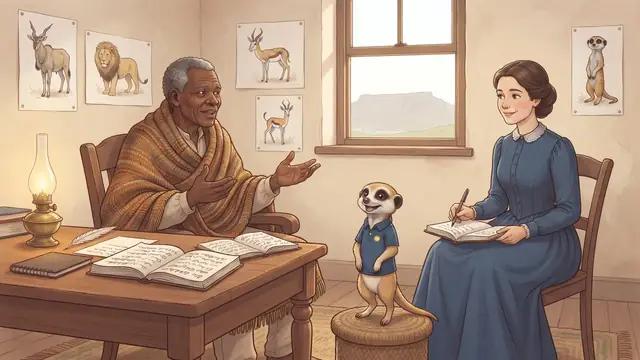
- Bleek and Lloyd, the Kora and the GriquaBleek and Lloyd’s ǀXam collection, and the Kora and Griqua on the northern frontier.

For parents
- Choose one topic per evening. Let your child read the summary and then tell it to you in their own words.
- The ticks (“I know this”) are saved on this device only, so you can see how far you have come. We never ask for names or emails.
- After the summary the quiz is the perfect test: every question explains the answer.
Ready to test yourself? All the Grade 7 History quizzes are free.
Other grades: Grade 4 Grade 5 Grade 6
Follows CAPS for Grade 7 Social Sciences (History).