
Indian Ocean trade and the interior, 800–1600
Indian Ocean trade and the interior (800–1600): Kilwa, Sofala, Mapungubwe, Great Zimbabwe and the Mutapa. Read one part at a time and tap “I know this”. Then test yourself in the quiz.
Know it already? Jump straight to the quiz
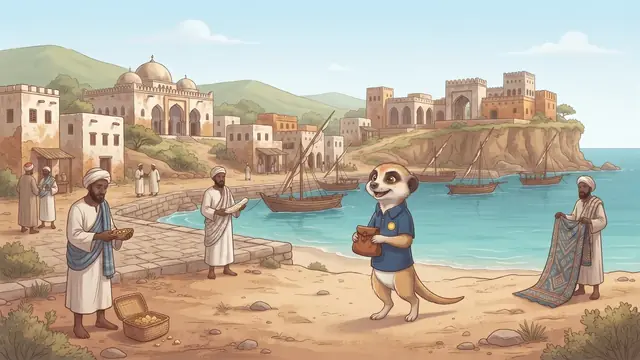
Power and trade
- Whoever controls a trade route can tax it and reward followers: that is how trade brings political power. Tribute is goods or labour given to a ruler.
- The gold objects in graves on Mapungubwe hill show rulers were richer than ordinary people. South Africa, Botswana and Zimbabwe meet near Mapungubwe.
- A dry-stone wall: stones stacked with nothing to hold them. Ibn Battuta visited Kilwa in the 1330s.
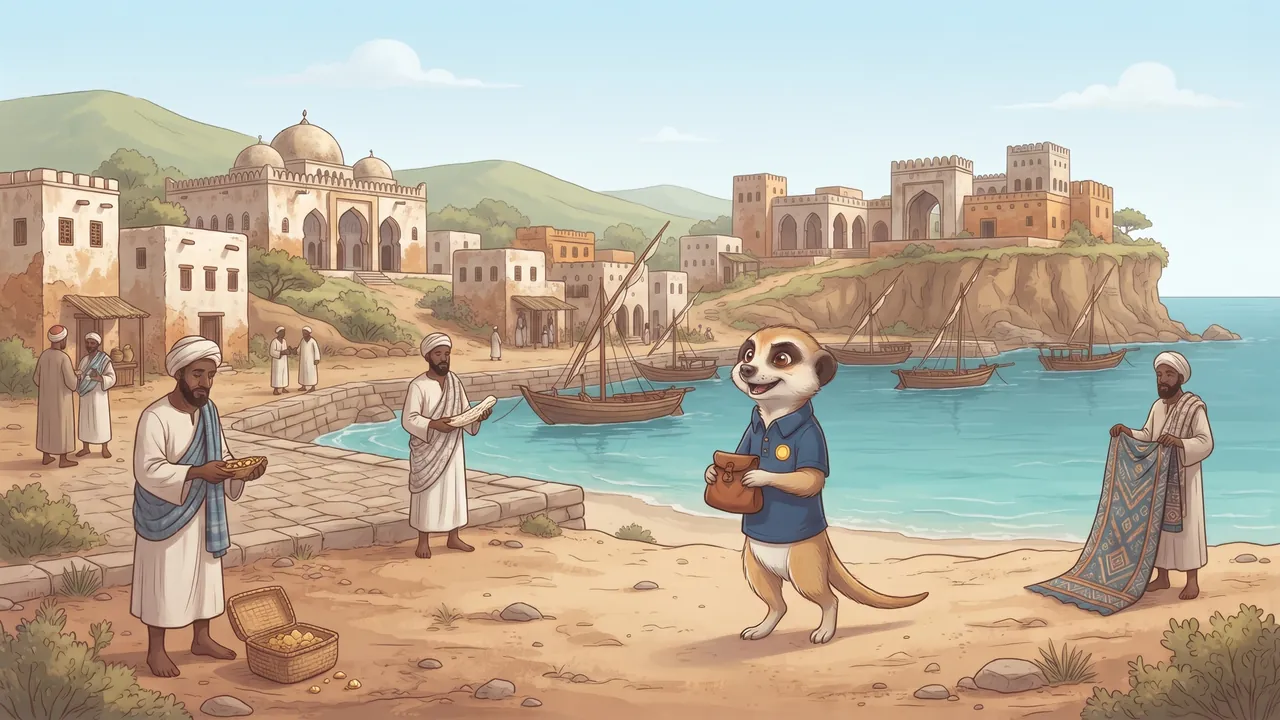
How we know
The make-up of glass beads shows where and when they were made. Historians use archaeology, oral tradition and traders’ records. Thulamela in the Kruger National Park was part of this trading world.
Remember this and test yourself
- The interior exported gold, ivory and skins; glass beads, cloth and ceramics came in.
- The seasonal monsoon winds made the trade possible; a dhow is a wooden sailing ship of the Indian Ocean.
- Swahili grew out of this trade and Islam spread along the coast. Kilwa was one of the richest ports; Sofala linked the Zimbabwean goldfields to the sea.
- Mapungubwe (1200s) → Great Zimbabwe (dry-stone walls, soapstone birds; wealth from cattle, gold and trade routes) → the Mutapa state.
- After about 1500 the Portuguese took over ports like Sofala and Kilwa.
Write these points in your book. Read them again the night before the test.

Sofala is the sea gate for Zimbabwe’s gold; Kilwa is the king of ports.
Important words
First say what the word means, then turn the card over.
Match column A to column B
Tap a word in column A, then its meaning in column B. You can also start in column B.
True or false?
Read the question and the answer. Is the answer right? Tap True or False.

Now the real quiz!
The quiz has many more questions on this topic. Every question shows straight away whether you are right and explains why.
Take the quiz: Indian Ocean trade and the interior, 800–1600- Read one part together and ask your child to tell it back in their own words.
- The ticks (“I know this”) are saved on this device only. We never ask for names or emails.
Follows CAPS for Grade 7 Social Sciences (History). Always check your teacher’s notes and textbook too.