
The Khoikhoi and San at the Cape
The Khoikhoi and San at the Cape: their way of life, Autshumao and Krotoa, trade and conflict with the Dutch. Read one part at a time and tap “I know this”. Then test yourself in the quiz.
Know it already? Jump straight to the quiz
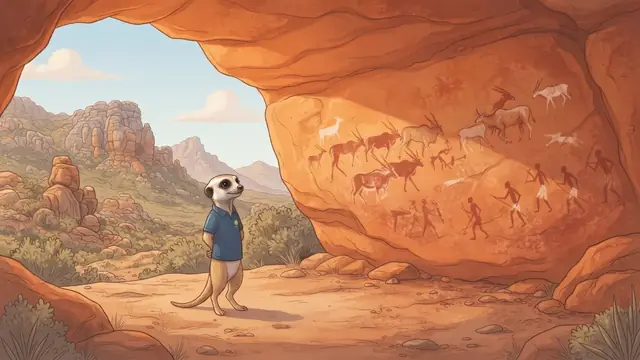
Before 1652
- People had lived at the Cape for thousands of years; they are indigenous people.
- Khoikhoi chiefdoms of the Western Cape: the Cochoqua, Chainoqua and Hessequa. They built huts of branches and reed mats and moved with the seasons for grazing and water.
- San rock art in the Cederberg and Drakensberg shows skilled artists with a rich spiritual life. Shell middens are old heaps of shells.
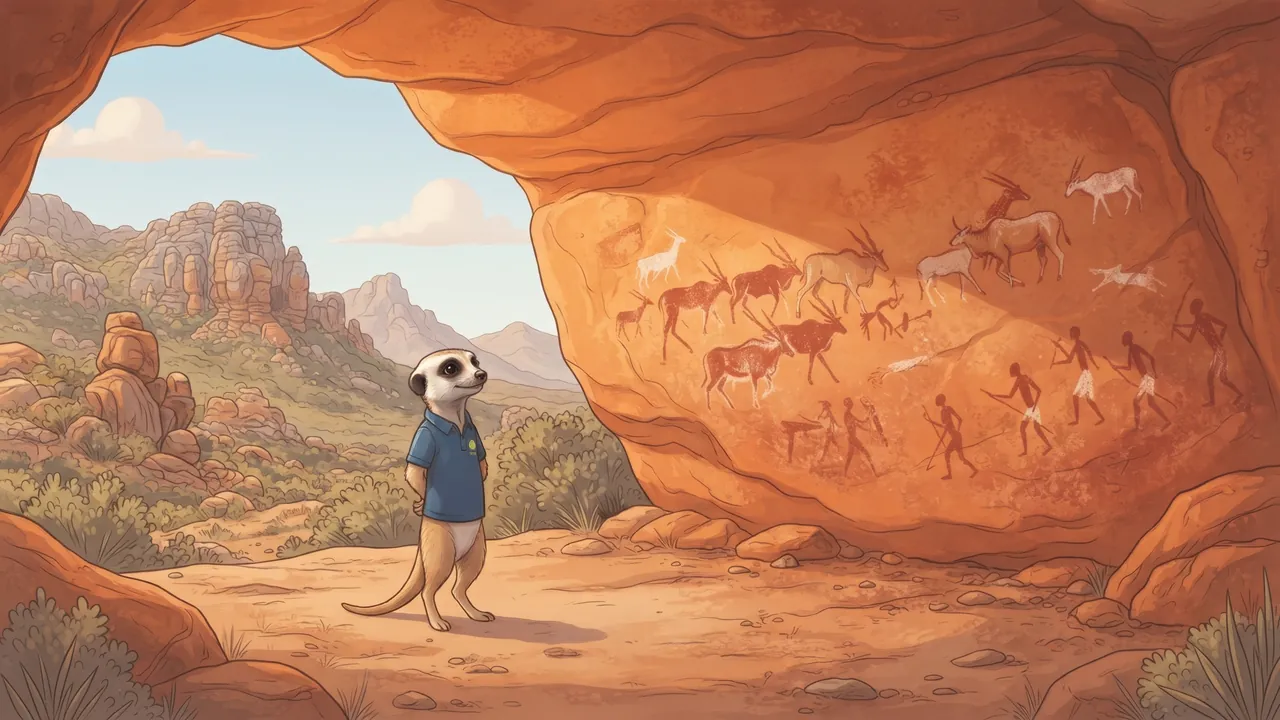
After 1652
Many Khoikhoi went to work on colonists’ farms after losing land and cattle. The San clashed with trekboers who took their game and land; the trekboers had horses and guns. The San’s own rock art best shows how they saw their world; Dutch diaries show only the Dutch side. The Khoikhoi fought the Dutch in two wars (1659–1660 and 1673–1677) but lost land and cattle. In 1713 a smallpox epidemic, brought by a ship, spread among the Khoikhoi near the Cape; their numbers fell sharply and their chiefdoms broke up.
Remember this and test yourself
- The San hunted and gathered; the Khoikhoi (“people of people”) were herders of cattle and sheep.
- The Strandlopers (Goringhaicona) lived off the seashore; their leader Autshumao (“Harry”) was an interpreter for the Dutch.
- Krotoa (Eva) worked in Van Riebeeck’s household and was an important interpreter.
- The Dutch wanted cattle and sheep and offered copper, iron and beads.
- Conflict: settlers took Khoikhoi grazing and water; by the early 1700s most Khoikhoi near the Cape had lost their herds and independence.
Write these points in your book. Read them again the night before the test.

Krotoa and Autshumao = the first interpreters, the bridge between two languages.
Important words
First say what the word means, then turn the card over.
Match column A to column B
Tap a word in column A, then its meaning in column B. You can also start in column B.
True or false?
Read the question and the answer. Is the answer right? Tap True or False.

Now the real quiz!
The quiz has many more questions on this topic. Every question shows straight away whether you are right and explains why.
Take the quiz: The Khoikhoi and San at the Cape- Read one part together and ask your child to tell it back in their own words.
- The ticks (“I know this”) are saved on this device only. We never ask for names or emails.
Follows CAPS for Grade 7 Social Sciences (History). Always check your teacher’s notes and textbook too.