
Local history, sources and leaders
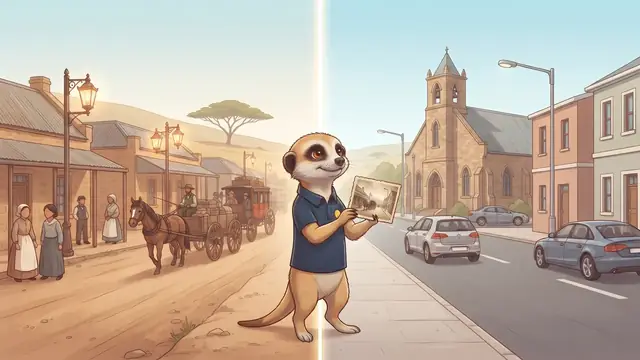
Paper 1 work · 10 summaries- Local historyWhat history is, local and family history, family trees and where we learn about the past.
- Sources and timelinesKinds of sources, primary and secondary sources, and timelines, decades, centuries and millennia.
- Leaders in the communityWhat a leader is, different leaders in our country and community, and what makes a good leader.
- Famous leaders: Gandhi and MandelaMahatma Gandhi and Nelson Mandela: their lives, their struggle against unfair laws and what they had in common.
- Communication and early societiesHunter-gatherers, mottos, the typewriter and QWERTY, the telegraph and the telephone.
- How our town began, and old objectsHow towns begin and get their names, main streets, and old objects like sundials and hourglasses.
- My community: maps, places and landmarksMaps, landmarks, interviews and sources to research your community’s history.
- Nelson Mandela’s lifeNelson Mandela’s life: childhood, studies, apartheid, prison, freedom and president.
- Mahatma Gandhi and working with datesMahatma Gandhi’s life and time in South Africa, and working with dates.
- Songs and dance as communicationSongs, dance, drums and praise poems as ways to pass on messages and history.

Transport, communication and change
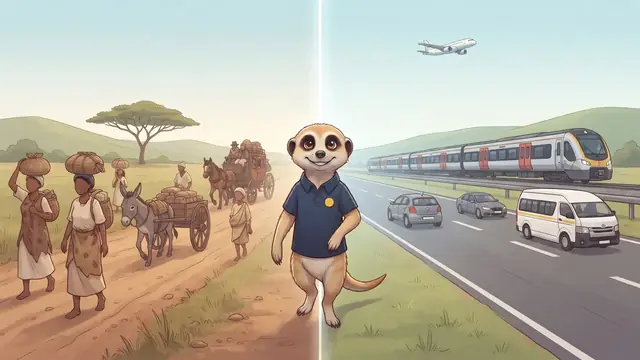
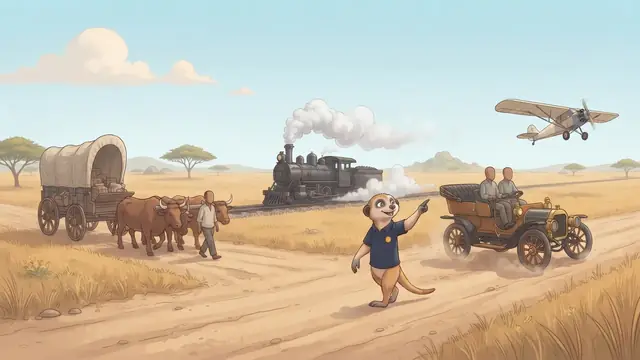
Paper 2 work · 11 summaries- Transport through timeHow transport changed: from feet and oxen to trains, cars and aeroplanes.
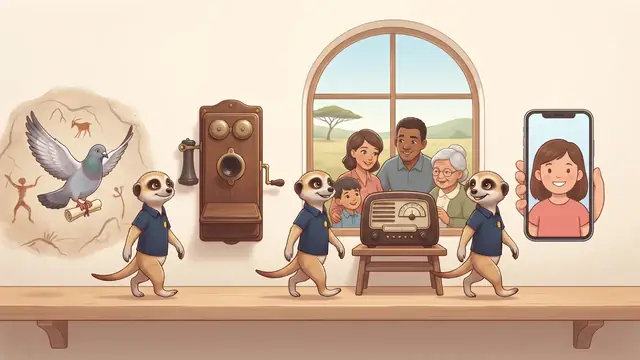
- Communication through timeHow communication changed: from runners and drums to telephones, radio and the internet.
- Change over timeChange and continuity, turning points, heritage and traditions.
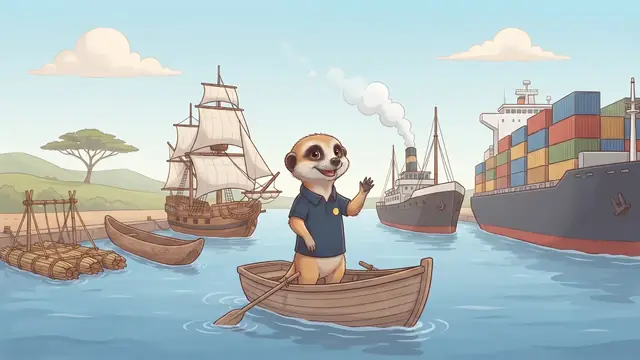
- Transport on waterTransport on water: from rafts and canoes to sailing ships, steamships and cargo ships.
- Inventors of transportThe inventors from the wheel to the aeroplane, the bicycle through time, and fossil fuels.
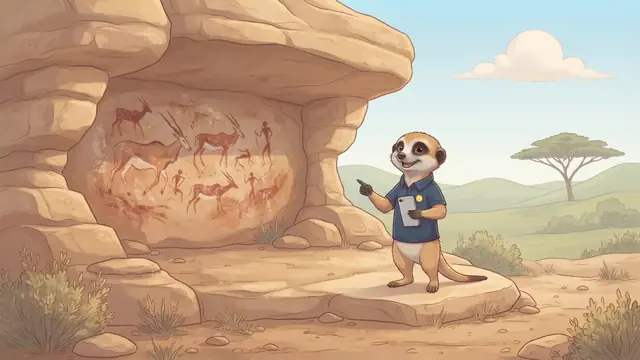
- Inventions in communicationInventors from the telegraph to the web, non-verbal communication and San rock art.
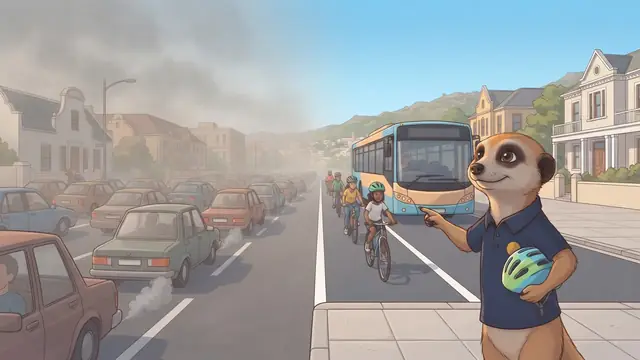
- Case study: exhaust fumes in a cityA case study: exhaust fumes, smog and how a city can reduce air pollution.
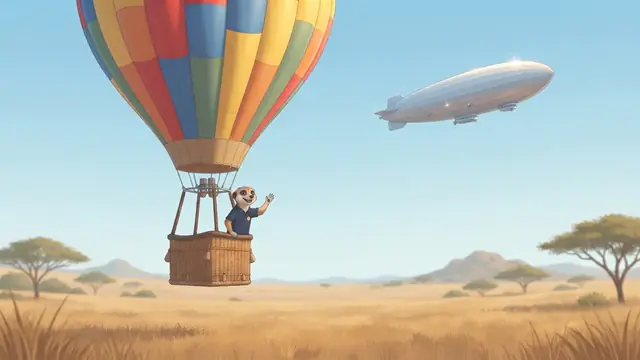
- Balloons and airshipsHot-air balloons and airships: how they work, the Hindenburg disaster and what the aeroplane changed.
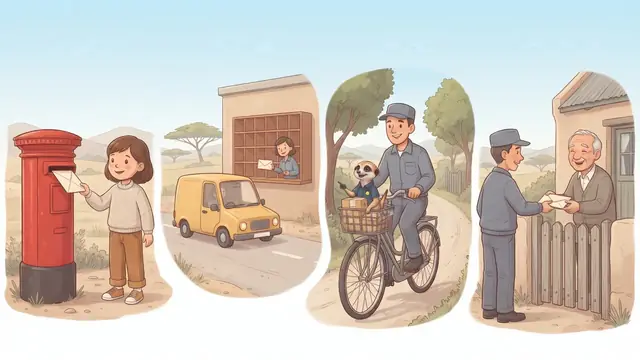
- Sender, receiver and the postal systemThe parts of a message (sender, medium, receiver, feedback) and how the postal system works.
- The radio, the television and the cameraThe radio, the television and the camera: inventors, advantages and disadvantages, and how they changed.
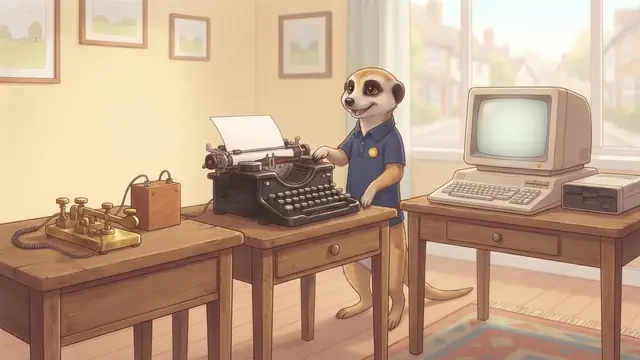
- The telegraph, the typewriter and the computerThe telegraph and Morse code, the typewriter, and how computers became smaller and faster.

For parents
- Choose one topic per evening. Let your child read the summary and then tell it to you in their own words.
- The ticks (“I know this”) are saved on this device only, so you can see how far you have come. We never ask for names or emails.
- After the summary the quiz is the perfect test: every question explains the answer.
Ready to test yourself? All the Grade 4 History quizzes are free.
Other grades: Grade 5 Grade 6 Grade 7
Follows CAPS for Grade 4 Social Sciences (History).