
Map skills, interpretation and resources
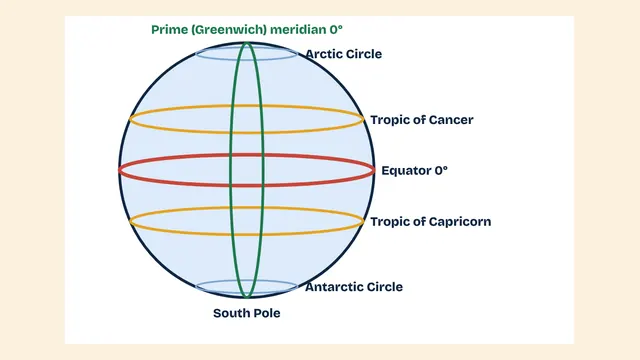
Paper 1 work · 7 summaries- The graticule and positionThe graticule of latitude and longitude, coordinates, time zones and why we have seasons.
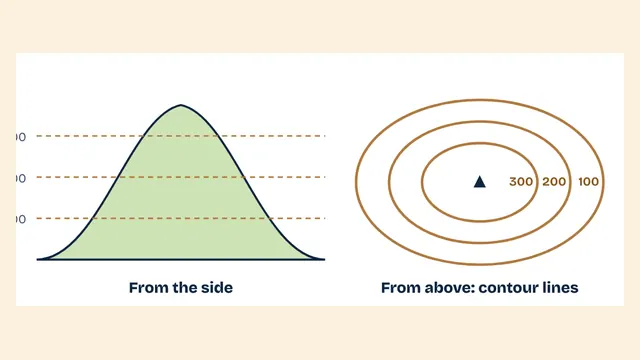
- Map reading and interpretationContour lines, gradient, scale, cross-sections and aerial photos: how to read a topographic map.
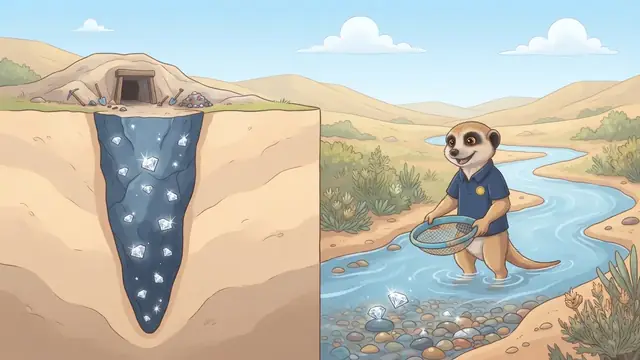
- Natural resources in South AfricaSouth Africa’s natural resources: minerals and diamonds, water and soil, and how we manage them sustainably.
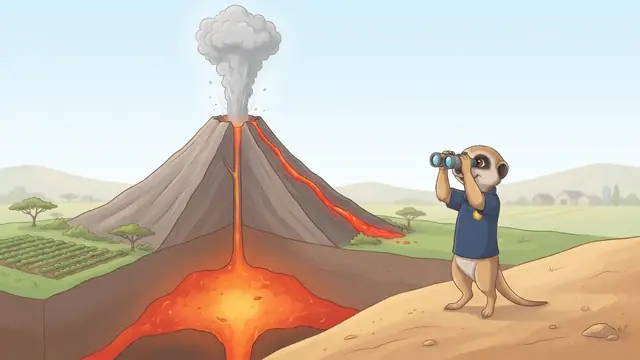
- Volcanoes, earthquakes and tectonic platesThe Earth’s layers, tectonic plates, and how volcanoes and earthquakes happen.
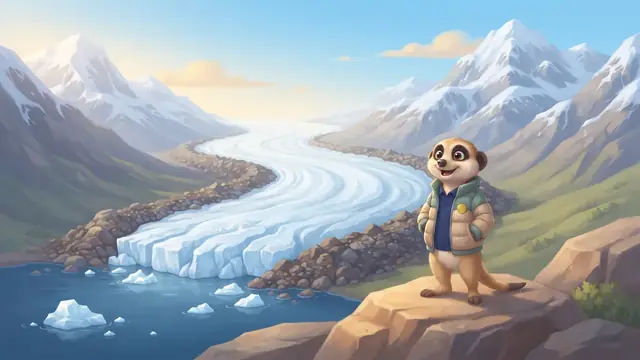
- Glaciers, weathering and erosionWeathering, erosion and deposition: how glaciers, rivers, wind and plants shape the land.
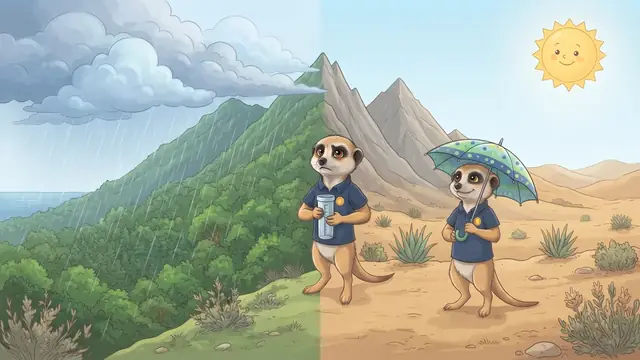
- Weather, climate and climate regionsWeather and climate, how wind and clouds form, rain shadows, and the factors that affect climate.
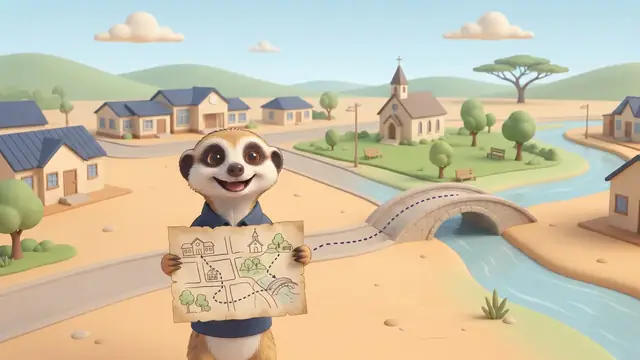
- Local maps: street maps, sketch maps and distanceStreet maps, sketch maps, route descriptions and how to measure straight and winding distances.
Population, settlements and sustainability
Paper 2 work · 10 summaries- Population growth and changeHow populations grow and change: migration, push and pull factors, and population pyramids.
- Settlements and why they growWhy settlements start and grow in a place, their shapes, and urban problems and planning.
- Conservation and sustainabilitySustainability and conservation, climate change, reduce-reuse-recycle, and rivers as a resource.
- Ecosystems and energy flowWhat an ecosystem is, food chains and webs, and how energy flows through nature.
- Conservation, parks and population statisticsConservation and South Africa’s national parks, poaching, and how we calculate population statistics.
- Earthquakes, floods and disaster responseHow earthquakes and floods affect people, and how we manage disasters.
- Population and healthHow health, food and water affect population, and how the world’s population grew so fast.
- Reading population dataHow to read and calculate population data: natural increase, density, pyramids and facts versus opinions.
- Conservation, water and population growthConserving water in a dry country, wetlands and marine reserves, and how the world’s population grew over 2 000 years.
- Population change and economic statusHow a country’s wealth affects its population: births, life expectancy, migration and the poverty cycle.
For parents
- Choose one topic per evening. Let your child read the summary and then tell it to you in their own words.
- The ticks (“I know this”) are saved on this device only, so you can see how far you have come. We never ask for names or emails.
- After the summary the quiz is the perfect test: every question explains the answer.
Ready to test yourself? All the Grade 7 Geography quizzes are free.
Other grades: Grade 4 Grade 5 Grade 6
Follows CAPS for Grade 7 Social Sciences (Geography).