
The design process
The steps of the design process, from the problem to a tested solution. Read one part at a time and tap “I know this”. Then test yourself in the quiz.
Know it already? Jump straight to the quiz
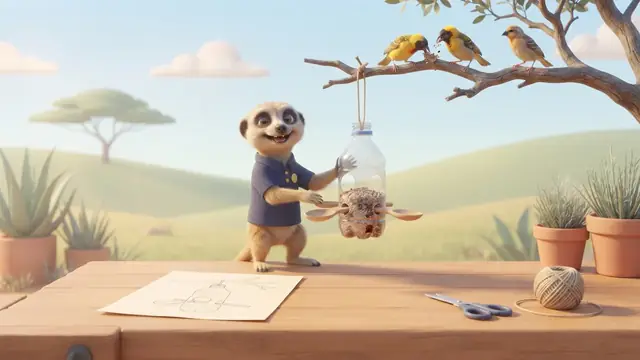
The steps
| Word | Meaning |
|---|---|
| Design brief | What must be made, and for whom? |
| Specification | A requirement: “it must carry one kilogram” |
| Constraint | A limit: “you may only use paper” |
| Users | The people who will use the product |
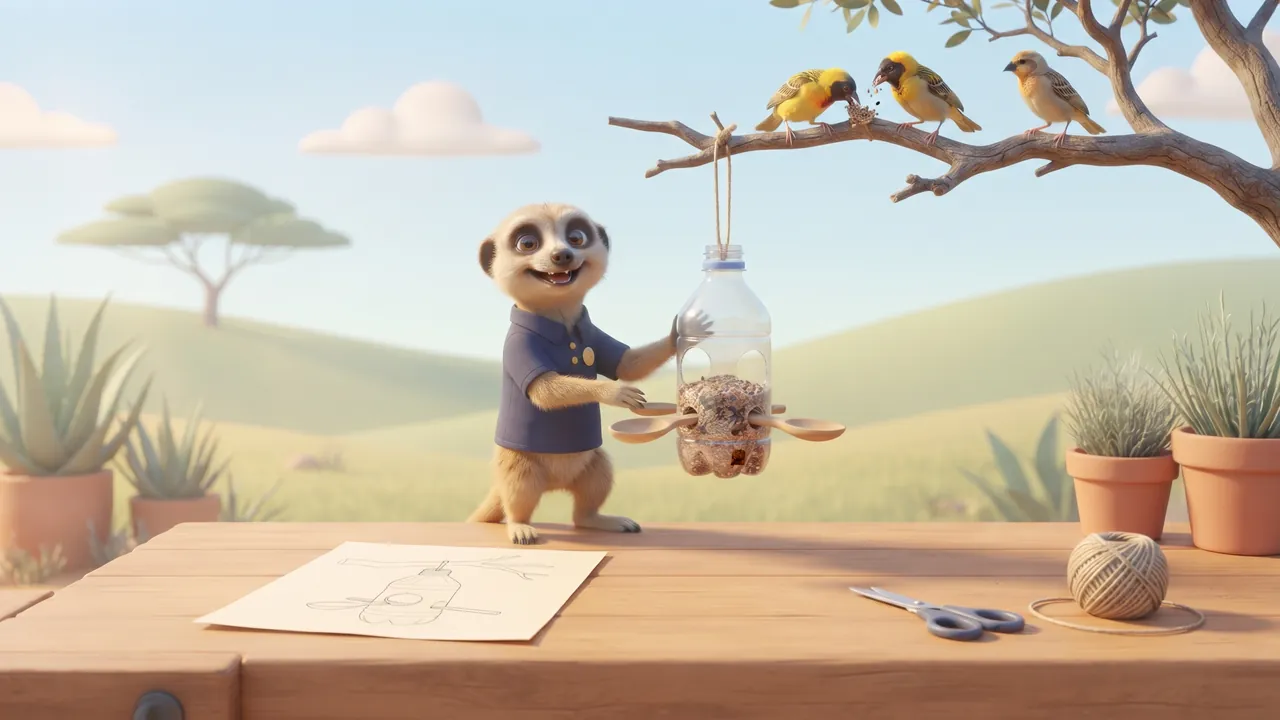
Draw, make and test
Designers first draw their ideas, to compare them before building. They also look at things others have made, for ideas. Then they make a model and test it, because problems are cheap to fix early.
- The bridge breaks in the middle? Strengthen the middle and test again.
- Too heavy? Choose a lighter material. Too expensive? Find a cheaper one that works.
Evaluate
Evaluate means checking whether the design solved the problem. Test with real users: they spot problems you missed. Think about safety, the user’s age, and the environment: a sustainable design does little harm.
Remember this and test yourself
- The design process solves a real problem.
- Steps: understand the problem, investigate, design, make, evaluate, communicate.
- A design brief says what is needed and for whom; constraints are limits like time, money and materials.
- A model is a small version to test an idea.
- Test, see what breaks, improve and test again; keep a record of every test.
Write these points in your book. Read them again the night before the test.

Understand, Investigate, Design, Make, Evaluate, Communicate: “Unicorns In Dresses Make Excellent Cupcakes.”
Important words
First say what the word means, then turn the card over.
Match column A to column B
Tap a word in column A, then its meaning in column B. You can also start in column B.
True or false?
Read the question and the answer. Is the answer right? Tap True or False.

Now the real quiz!
The quiz has many more questions on this topic. Every question shows straight away whether you are right and explains why.
Take the quiz: The design process- Read one part together and ask your child to tell it back in their own words.
- The ticks (“I know this”) are saved on this device only. We never ask for names or emails.
Follows CAPS for Grade 4 Natural Sciences and Technology. Always check your teacher’s notes and textbook too.