
Indigenous instruments and noise pollution
Indigenous musical instruments, how they make sound, and how we limit noise pollution. Read one part at a time and tap “I know this”. Then test yourself in the quiz.
Know it already? Jump straight to the quiz
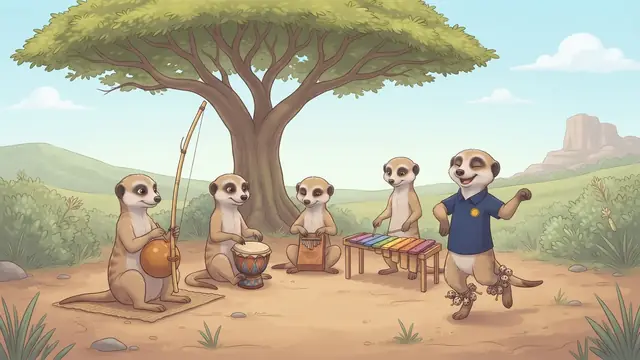
Indigenous instruments
| Instrument | Made from | How it is played |
|---|---|---|
| Uhadi (musical bow) | Wood, string, calabash | Tap the string with a stick |
| Drum | Animal skin over wood | Hit the skin |
| Kudu horn | A horn | Blow into it |
| Mbira (thumb piano) | Metal strips on wood | Pluck with the thumbs |
| Leg rattles | Dried cocoons with small stones | The dancer moves |
| Marimba | Wooden bars | Hit the bars |
Changing the sound
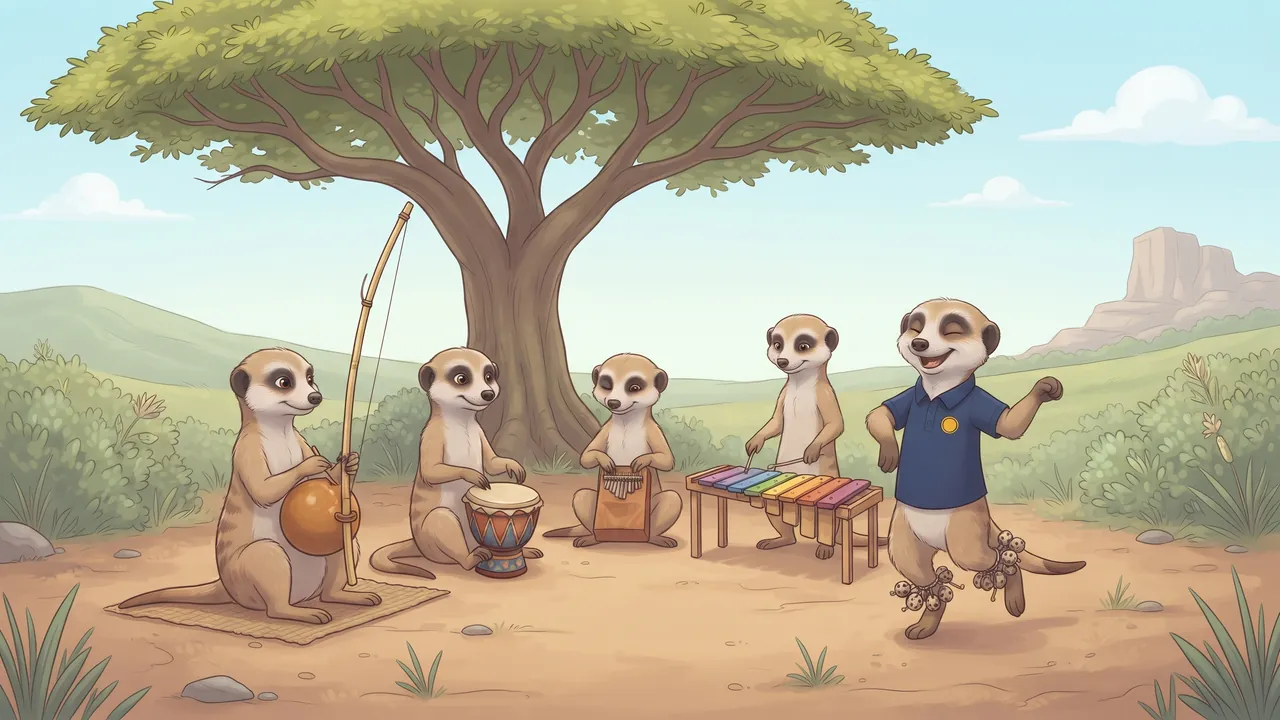
- Pull the drum skin tighter for a higher sound.
- Press the musical bow’s string at different places for other notes.
- A simple rattle: a bottle with dry beans in it.
Noise pollution
- Keep the volume low in earphones, and turn the music down at night.
- A grass cutter outside the classroom during a test makes it hard to concentrate.
- Closed windows and soft wall boards keep traffic noise out.
- Trees and shrubs along a highway soak up some of the sound.

Loud noise also frightens animals away from their homes.
Protect your hearing
- Sound that is too loud, or goes on for a long time, can damage your hearing permanently.
- Sources of noise: traffic, loud music, machines, a busy school hall.
- Protect yourself: turn the volume down, stand away from speakers, and wear ear protectors near loud machines.
- A hearing aid helps people who are hard of hearing to hear better.
Remember this and test yourself
- An indigenous instrument is made by people of a region from local materials.
- Instruments are hit (drum, marimba), blown (kudu horn, reed flute), plucked (mbira) or shaken (rattle).
- The calabash on a musical bow (uhadi) makes the sound louder.
- The longest marimba bar gives the lowest sound; a tighter drum skin gives a higher sound.
- Noise pollution is loud sound that disturbs people and animals: headaches, stress and poor sleep.
Write these points in your book. Read them again the night before the test.

Four ways to make music: Hit, Blow, Pluck, Shake.
Important words
First say what the word means, then turn the card over.
Match column A to column B
Tap a word in column A, then its meaning in column B. You can also start in column B.
True or false?
Read the question and the answer. Is the answer right? Tap True or False.

Now the real quiz!
The quiz has many more questions on this topic. Every question shows straight away whether you are right and explains why.
Take the quiz: Indigenous instruments and noise pollution- Read one part together and ask your child to tell it back in their own words.
- The ticks (“I know this”) are saved on this device only. We never ask for names or emails.
Follows CAPS for Grade 4 Natural Sciences and Technology. Always check your teacher’s notes and textbook too.