

Design, structures and mechanisms
Paper 1 work · 13 summaries- The design processThe five steps of the design process, from investigating to communicating.
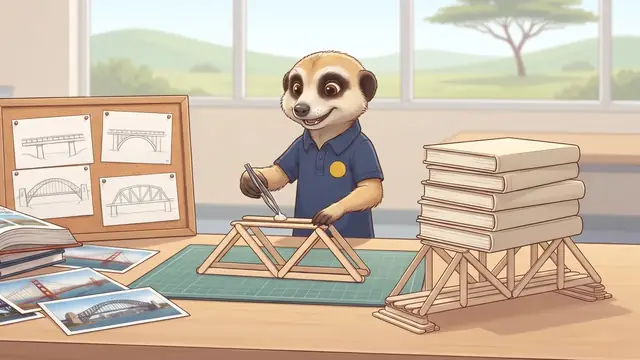
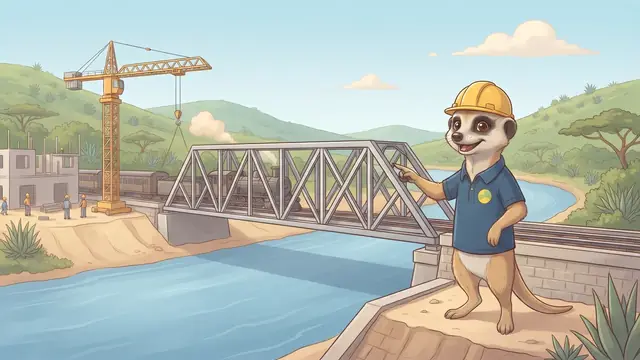
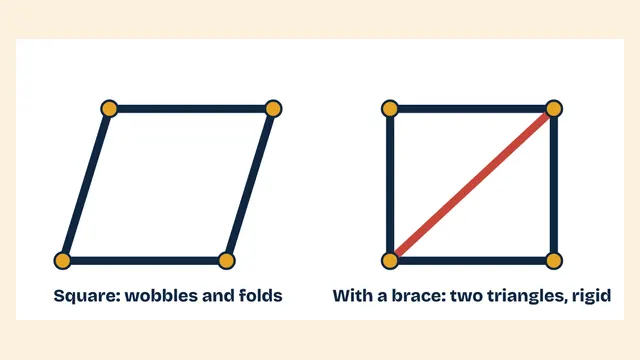
- StructuresFrame and shell structures, forces, triangles, foundations and stability.
- MechanismsLevers, pulleys, gears, cams and linkages: how mechanisms change force and movement.
- Technical drawing: views and scaleThree views (orthographic), oblique and isometric drawing, perspective and scale.
- Design brief and specificationsHow to write a good design brief and measurable specifications.
- Constraints, materials and toolsConstraints (time, money, materials, skill), materials versus tools, and safe work.
- Ergonomics, aesthetics and the design stageWhat technology is, ergonomics and aesthetics, the first design stages, and 2D and 3D drawings.
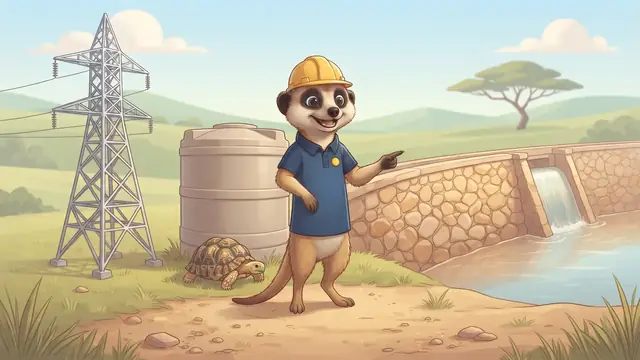
- Structures: purpose, types and towersThe four purposes of structures, types of structures, forces, strengthening and cellphone towers.
- Levers, pulleys and mechanical advantageThe three classes of lever, mechanical advantage, cranks and pulleys.
- Hydraulic and pneumatic systemsHydraulic (liquid) and pneumatic (air) systems, syringe models and where we see them.
- Forces in structuresCompression, tension and torsion, struts and ties, types of structures and loads.
- Drawing conventions, fitness for purpose and rescue systemsLine types and scale on technical drawings, fitness for purpose, and hydraulic rescue systems.
- Drawing techniques: freehand, oblique and perspectiveFreehand sketches, crating, oblique and isometric drawing, one- and two-point perspective and shading.






Electrical systems, materials and impact
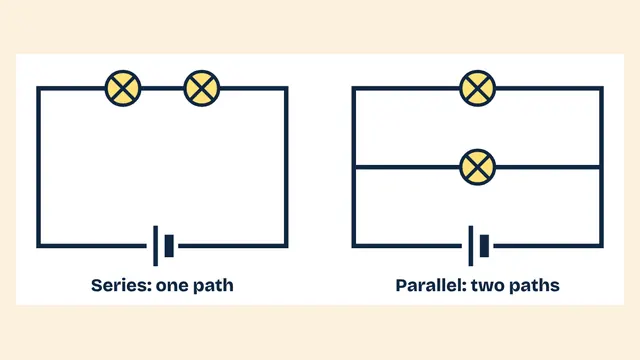
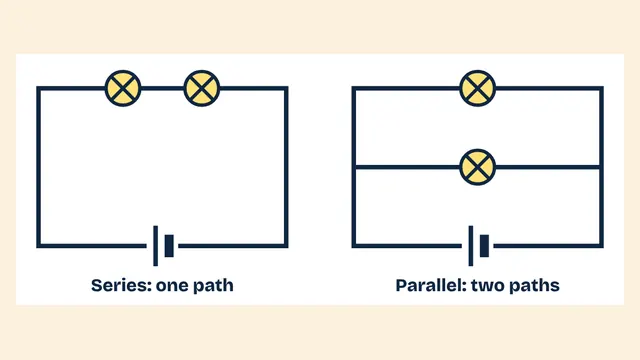
Paper 2 work · 9 summaries- Electrical systems and controlSystems (input, process, output), series and parallel, safety and control.
- Materials and processingProperties of materials, composites, alloys and how we process them.
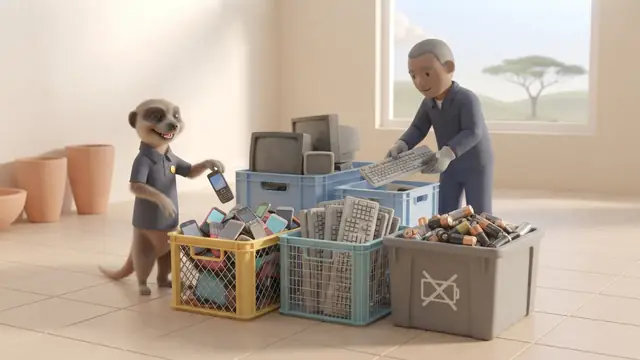
- Technology, society and the environmentThe good and bad effects of technology on people and the environment, e-waste and emergencies.
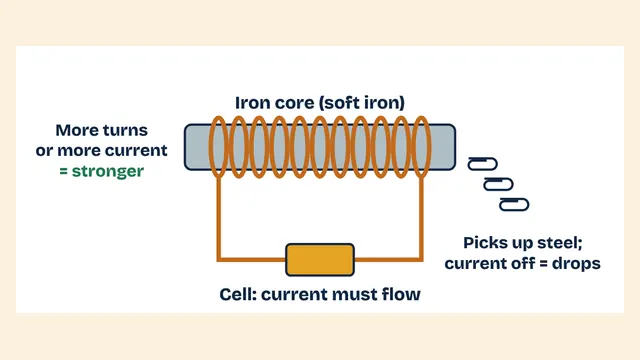
- Magnets and electromagnetsMagnets, poles and fields, and how an electromagnet works and where we use it.
- Circuit diagrams and symbolsCircuit symbols, circuit diagrams, series and parallel, and energy changes.
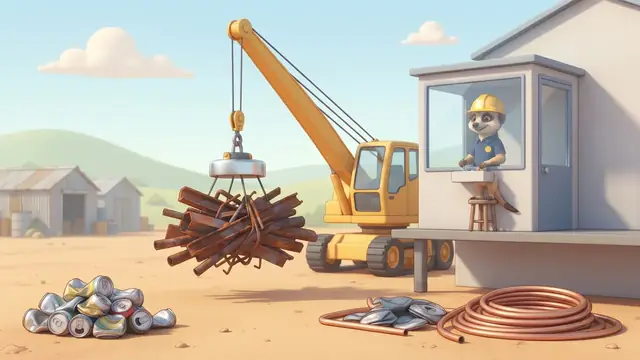
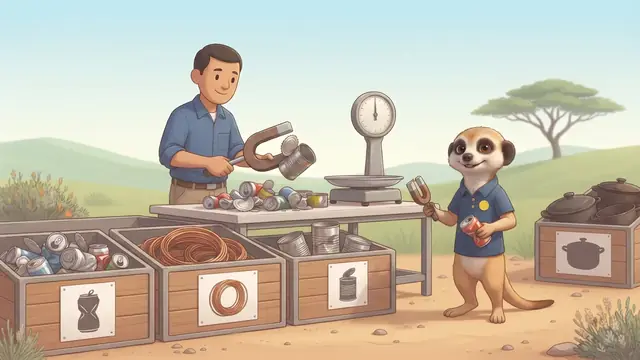
- Metals, magnets and recyclingFerrous and non-ferrous metals, rust, recycling, metal theft and the four R’s.
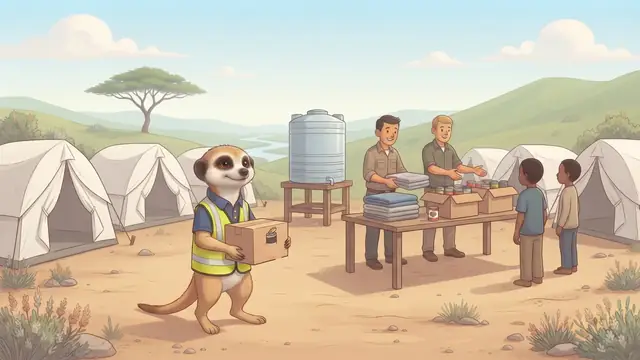
- Emergencies: food, shelter and protective clothingEmergencies and refugees: shelter, emergency food, food processing and protective clothing.
- Cranks, magnets and lodestonesCranks, the fixed pulley, lodestones, magnets and electromagnets, and circuit components.
- Cell phone towers and emergency technologyCellphone towers as frame structures, emergency food and shelter, and protective clothing for rescue workers.

For parents
- Choose one topic per evening. Let your child read the summary and then tell it to you in their own words.
- The ticks (“I know this”) are saved on this device only, so you can see how far you have come. We never ask for names or emails.
- After the summary the quiz is the perfect test: every question explains the answer.
Ready to test yourself? All the Grade 7 Technology quizzes are free.
Follows CAPS for Grade 7 Technology.