
Inventions in communication
Inventors from the telegraph to the web, non-verbal communication and San rock art. Read one part at a time and tap “I know this”. Then test yourself in the quiz.
Know it already? Jump straight to the quiz
On a timeline
Email stands for electronic mail. A network is computers linked to share information. Before the telephone, quick messages went by telegraph in Morse code.
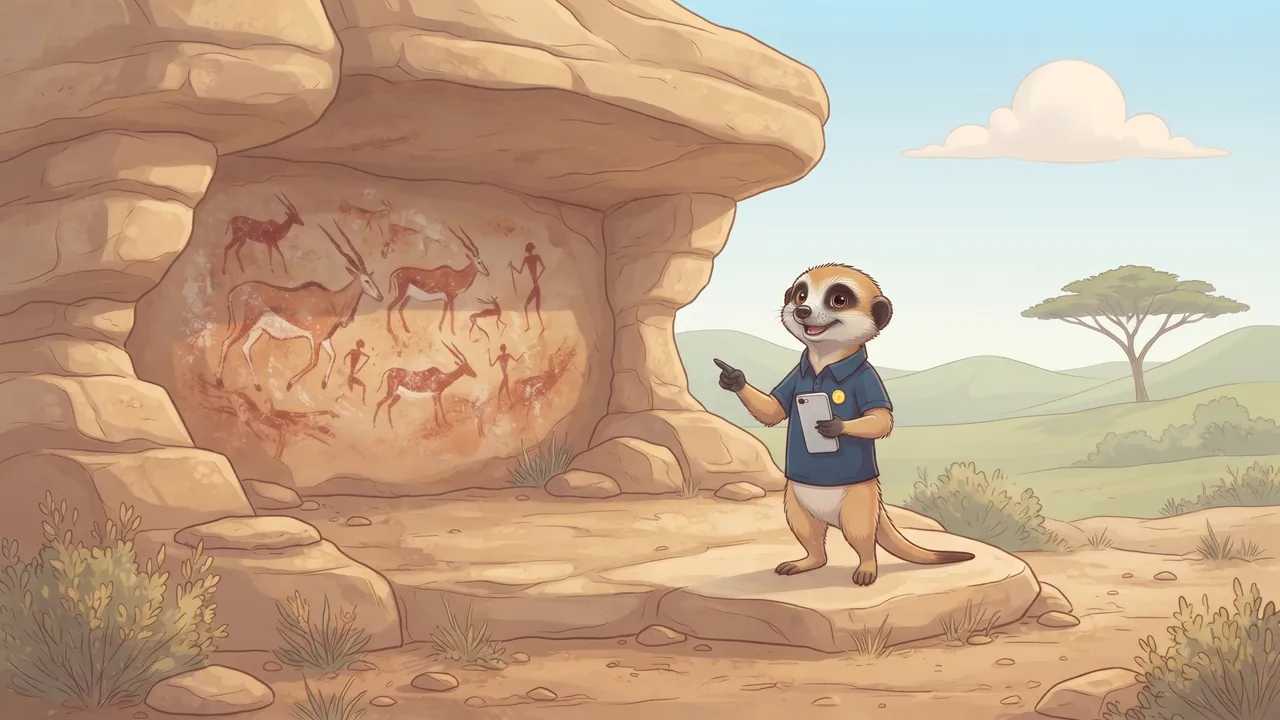
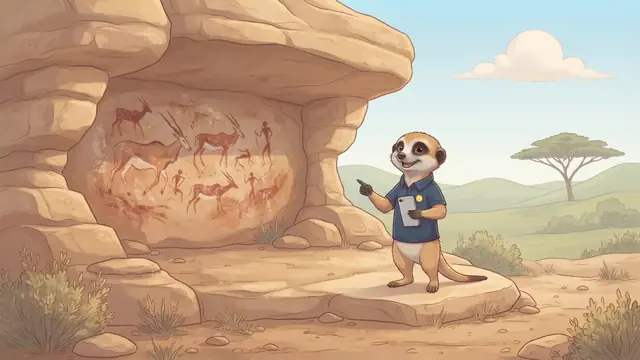
Rock art and cellphones
- San rock art is a useful source: it shows how people lived long ago. Some paintings show a large “rain animal”, linked to beliefs about bringing rain.
- Cellphone: you can reach people almost anywhere, but people can spend too much time on screens. The first cellphone networks in South Africa (Vodacom and MTN) started in 1994.
Remember this and test yourself
- Morse (telegraph code), Bell (telephone, 1876), Marconi (radio, 1890s), Cooper (mobile phone, 1973), Berners-Lee (World Wide Web).
- George Eastman’s Kodak made photography easy; Bill Gates helped start Microsoft.
- People walked on the Moon in 1969; South Africans listened on the radio, because we only got television in 1976.
- Non-verbal: waving goodbye, a frown (body language), sign language.
- The San painted rock art with ochre, charcoal and animal fat; the eland appears often.
Write these points in your book. Read them again the night before the test.

M-B-M-C-B: Morse, Bell, Marconi, Cooper, Berners-Lee — from wire to wireless to web.
Important words
First say what the word means, then turn the card over.
Match column A to column B
Tap a word in column A, then its meaning in column B. You can also start in column B.
True or false?
Read the question and the answer. Is the answer right? Tap True or False.

Now the real quiz!
The quiz has many more questions on this topic. Every question shows straight away whether you are right and explains why.
Take the quiz: Inventions in communication- Read one part together and ask your child to tell it back in their own words.
- The ticks (“I know this”) are saved on this device only. We never ask for names or emails.
Follows CAPS for Grade 4 Social Sciences (History). Always check your teacher’s notes and textbook too.