
The radio, the television and the camera
The radio, the television and the camera: inventors, advantages and disadvantages, and how they changed. Read one part at a time and tap “I know this”. Then test yourself in the quiz.
Know it already? Jump straight to the quiz
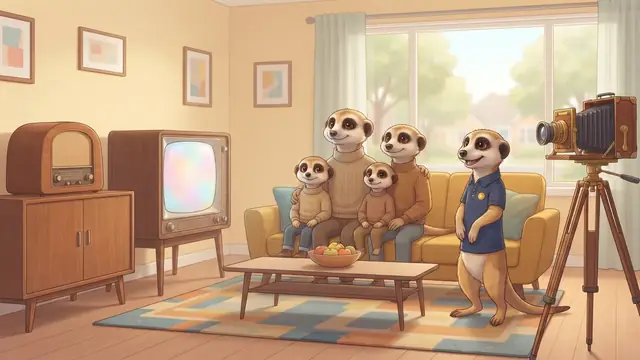
Radio and television
| Advantage | Disadvantage | |
|---|---|---|
| Radio | News at once; you need not read | You cannot see what is happening |
| Television | Learn by seeing places and animals; live broadcasts | Children move less and read less |
The first radios were big and heavy because of large glass tubes. A wind-up radio was made in Cape Town in the 1990s and works without batteries or power. Families listened together to news and stories in the evenings. The remote control made TV easier; today many watch on cellphones and tablets. South Africa only got television in January 1976, much later than most countries; at first there was one channel, in the evenings only.
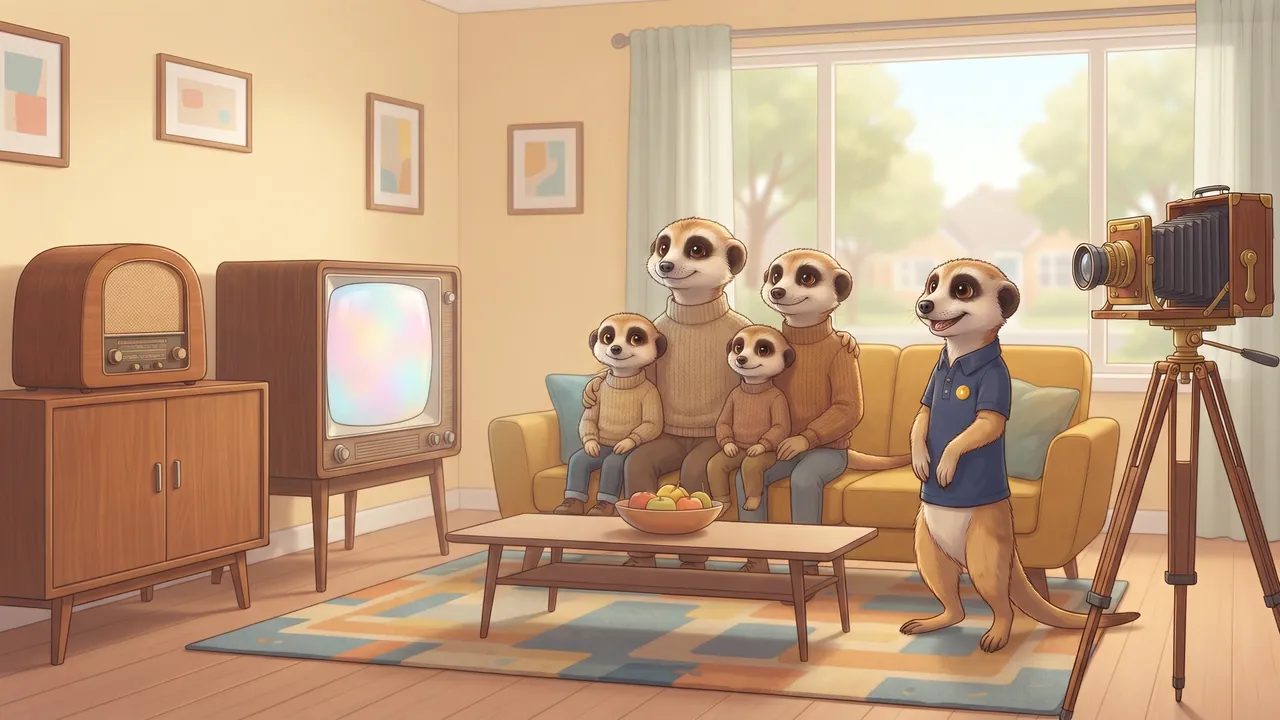
The camera
- A camera obscura is a dark room that shows a picture through a hole.
- Early portraits took long: people had to sit perfectly still.
- Old photos are good sources: they show how people and places looked. Families can keep memories forever.
- The oldest photograph that still exists was made by Joseph Nicéphore Niépce in France in about 1826; the camera had to stay open for many hours.
- In 1888 George Eastman’s Kodak camera used a roll of film, so ordinary people could take photos. Digital cameras became common in the 1990s and 2000s.
Remember this and test yourself
- Marconi is the “father of the radio”; it was first called the “wireless”, because signals travel through the air as radio waves.
- The SABC was founded in 1936; farmers far from towns heard the weather report at once.
- John Logie Baird showed one of the first televisions in 1926: blurry black-and-white moving pictures, at first without sound.
- Old camera: the film first had to be developed; digital camera: photos are stored as files.
- Cameras: camera obscura → film camera → cellphone camera.
Write these points in your book. Read them again the night before the test.

Radio = ears, TV = eyes and ears, camera = eyes that remember.
Important words
First say what the word means, then turn the card over.
Match column A to column B
Tap a word in column A, then its meaning in column B. You can also start in column B.
True or false?
Read the question and the answer. Is the answer right? Tap True or False.

Now the real quiz!
The quiz has many more questions on this topic. Every question shows straight away whether you are right and explains why.
Take the quiz: The radio, the television and the camera- Read one part together and ask your child to tell it back in their own words.
- The ticks (“I know this”) are saved on this device only. We never ask for names or emails.
Follows CAPS for Grade 4 Social Sciences (History). Always check your teacher’s notes and textbook too.