
Immunity and food preservation
The immune system, antibodies and vaccines, and how we preserve food. Read one part at a time and tap “I know this”. Then test yourself in the quiz.
Know it already? Jump straight to the quiz
The body’s defences
- A virus is a tiny germ that multiplies inside living cells.
- Wash hands regularly with soap; cough into your elbow to keep germs off your hands.
- Healthy food (vitamins) and sleep help the body build defences.
Preserving food
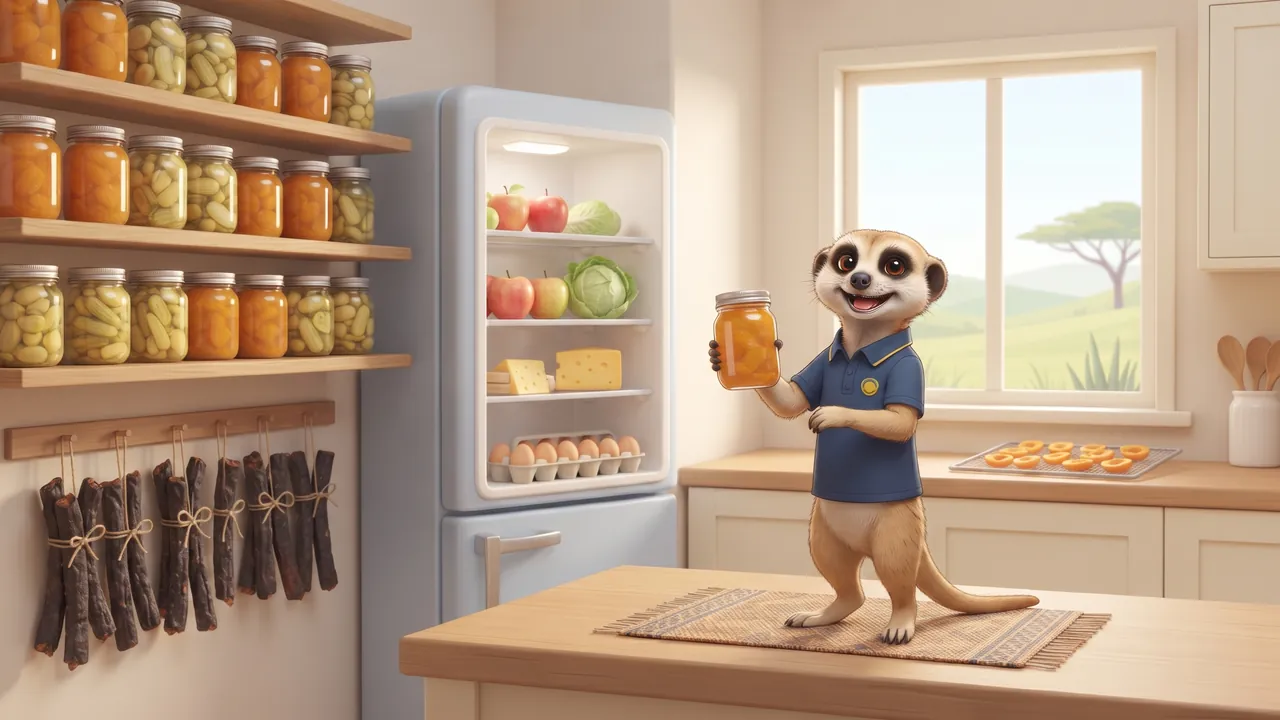
| Method | How it works |
|---|---|
| Refrigeration (fridge) | Cold: bacteria grow slowly |
| Freezing | Bacteria can hardly grow at all |
| Drying | Moisture is removed; bacteria need water |
| Salting (curing) | Salt draws the water out of the food, so bacteria cannot grow (e.g. biltong, salted fish) |
| Canning or bottling | Heating kills the germs and the seal keeps new germs and air out |
| Fermentation | Microbes like yeast or bacteria change the food: cheese, yoghurt |
Food at room temperature: bacteria multiply quickly. The expiry date shows until when food is safe. Preserving means less waste, so more people can eat.
Communicable diseases
A communicable disease spreads from person to person, through germs in the air, on hands or on things we share.
| Disease | Cause, signs and what to do |
|---|---|
| Common cold | Virus. Runny nose, sneezing, sore throat. Wash hands, cough into your elbow; rest and drink lots of water. |
| Chickenpox | Virus. Itchy blisters and fever. There is a vaccine; stay home until the blisters are dry. |
| Mumps | Virus. Swollen cheeks below the ears and fever. There is a vaccine; rest and drink lots of water. |
| TB (tuberculosis) | Bacterium. Cough for longer than two weeks, night sweats and tiredness. Keep windows open; the clinic gives free pills that you take every day for months. |
| Athlete’s foot | Fungus. Itchy, cracked skin between the toes. Dry your feet well and don’t share towels; cream from the pharmacy helps. |
You can get information at the clinic, from a nurse, doctor or pharmacist.
Food hygiene
| Rule | How |
|---|---|
| Keep clean | Wash hands, counters and knives before and after handling food |
| Keep apart | Raw meat and chicken away from food that is ready to eat |
| Cook thoroughly | Especially chicken, meat and eggs |
| Keep cold | Put leftovers in the fridge within two hours |
- Harmful: food past its expiry date, mouldy food, a swollen tin, unwashed fruit and vegetables.
- Food poisoning comes from germs in food (such as salmonella or listeria): stomach ache, vomiting and diarrhoea. Drink plenty of water and go to the clinic if it does not get better.
- Read the label for the ingredients. Too much sugar, salt or fat is harmful over time (tooth decay, high blood pressure). Some people are allergic to ingredients such as peanuts, so check the label first. Fresh, unprocessed food is usually the safest choice.
Remember this and test yourself
- The immune system is the body’s defence against disease.
- White blood cells find and fight germs; antibodies fight a specific germ.
- A vaccine helps the body build antibodies.
- Fever: the extra heat helps the body fight germs. A symptom is a sign that you are ill.
- Preserving food: we stop bacteria growing, so food stays edible longer.
Write these points in your book. Read them again the night before the test.

Bacteria love warm and wet: fridge = cold, drying = dry, salt = thirsty.
Important words
First say what the word means, then turn the card over.
Match column A to column B
Tap a word in column A, then its meaning in column B. You can also start in column B.
True or false?
Read the question and the answer. Is the answer right? Tap True or False.

Now the real quiz!
The quiz has many more questions on this topic. Every question shows straight away whether you are right and explains why.
Take the quiz: Immunity and food preservation- Read one part together and ask your child to tell it back in their own words.
- The ticks (“I know this”) are saved on this device only. We never ask for names or emails.
Follows CAPS for Grade 6 Life Skills. Always check your teacher’s notes and textbook too.