
Pollution and environmental health
Air, water and soil pollution, their health effects, and a community action plan. Read one part at a time and tap “I know this”. Then test yourself in the quiz.
Know it already? Jump straight to the quiz
Please note: this summary follows CAPS for schoolwork and is not medical advice. For questions about your own or your child’s health, speak to a doctor, nurse or pharmacist.
Kinds of pollution
| Kind | Sources | Effects |
|---|---|---|
| Air | Exhaust fumes, factories, burning tyres, indoor fires | Asthma and lung problems |
| Water | Sewage, chemicals, oil, litter washed through storm drains | Dead fish, illness; water smells bad or looks oily |
| Soil | Chemicals, dumped rubbish, old batteries, seepage from landfills | Polluted soil and underground water |
Water near a factory can be risky even if it looks clear: invisible chemicals may be in it. Informal settlements often face more risks because basic services are missing; clean water and proper toilets are target areas.
What we can do
- Regular refuse removal keeps rats and flies away. Recycling saves resources and energy and reduces waste.
- Take your own reusable shopping bag; grow your own vegetables (less transport and packaging); make compost from plant and food waste.
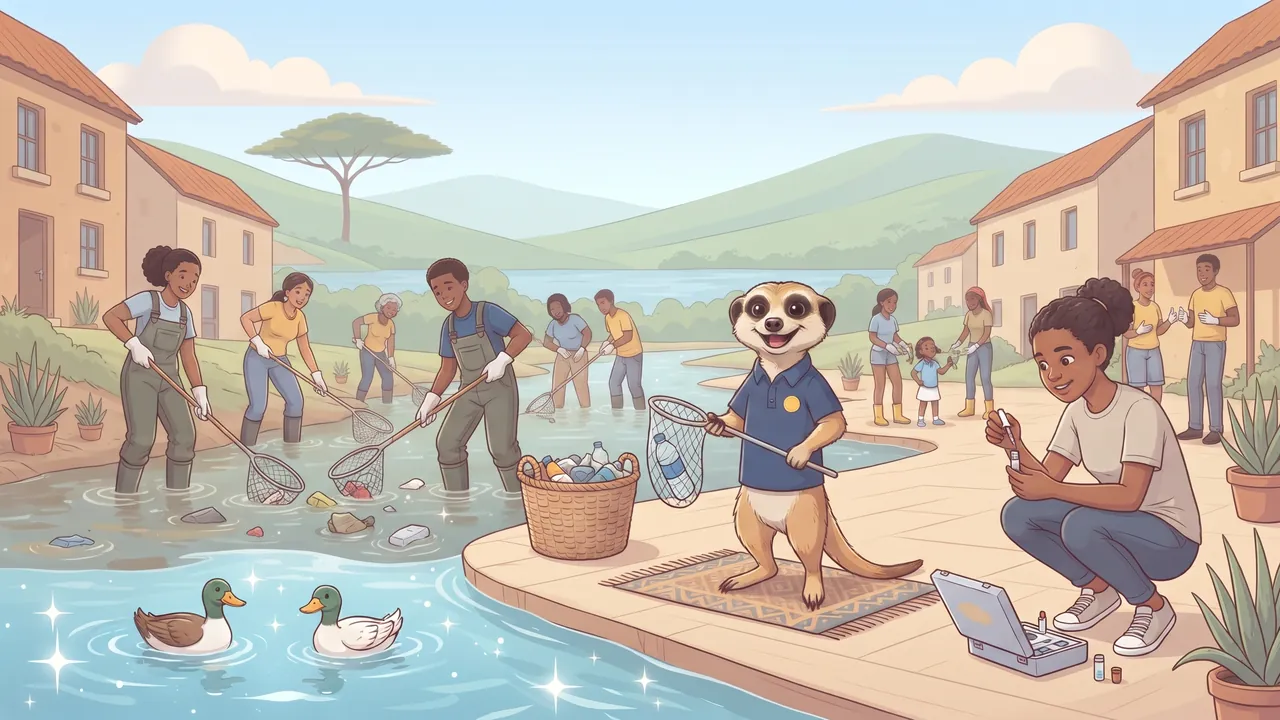
- Switch off lights you are not using. A community clean-up and recycling project improves environmental health.
Remember this and test yourself
- Smog: a harmful haze of smoke and fog; exhaust fumes are a major source in cities.
- Burning wood or paraffin indoors damages lungs; air pollution is linked to asthma.
- Sewage, factory chemicals and oil pollute rivers; oil stops oxygen reaching water life.
- Pesticides kill crop pests; herbicides kill unwanted plants (weeds).
- River water with no clean supply: boil it for at least one minute to kill germs. Boiling does not remove chemicals: never drink water from near a factory or mine.
Write these points in your book. Read them again the night before the test.

Action plan = I-P-C-E: Identify, Plan, Carry out, Evaluate.
Important words
First say what the word means, then turn the card over.
Match column A to column B
Tap a word in column A, then its meaning in column B. You can also start in column B.
True or false?
Read the question and the answer. Is the answer right? Tap True or False.

Now the real quiz!
The quiz has many more questions on this topic. Every question shows straight away whether you are right and explains why.
Take the quiz: Pollution and environmental health- Read one part together and ask your child to tell it back in their own words.
- The ticks (“I know this”) are saved on this device only. We never ask for names or emails.
Follows CAPS for Grade 7 Life Orientation. Always check your teacher’s notes and textbook too.