
Caring for people and gender stereotypes
Caring for people in our community, volunteering, and challenging gender stereotypes. Read one part at a time and tap “I know this”. Then test yourself in the quiz.
Know it already? Jump straight to the quiz
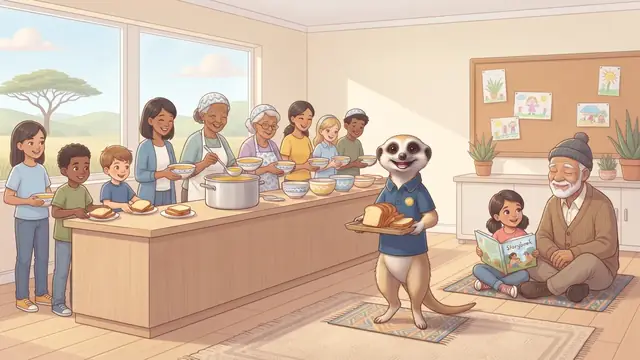
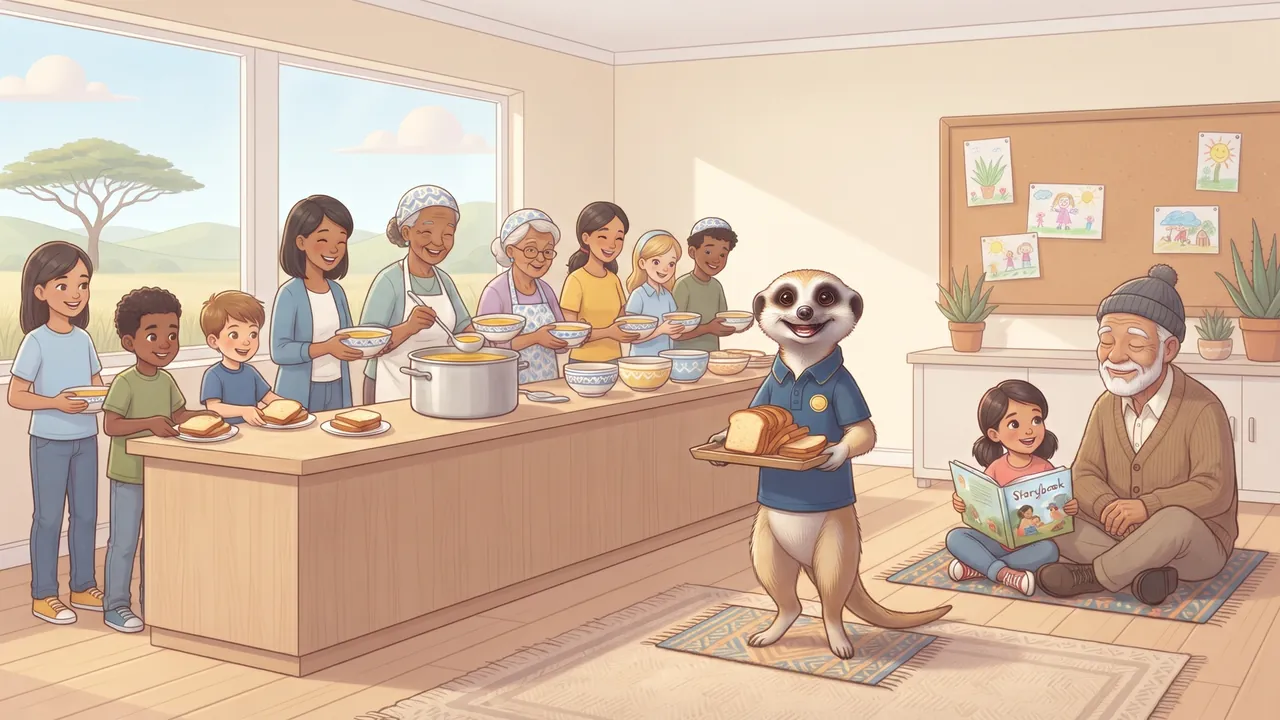
Caring
- An ill family member: help with small tasks and let them rest.
- A classmate is sad: be kind, listen and include them.
- Help a younger child find their class and play kindly with them.
- A blind person wants to cross: ask if they want help and offer your arm. Organise a community clean-up together.
- Others’ needs and views: listen to the whole story, ask what the person needs, and accept that their view may differ from yours.
- Sharing your own view without hurting: speak calmly, use an I-message (“I feel upset when you take my pen without asking”), and attack the problem, not the person (no name-calling).
Gender and fairness
| Situation | Fair response |
|---|---|
| A teacher asks only boys to carry chairs | Ask any learners who are able, boys and girls |
| A boy joins the dance club and is teased | Support his choice and stop the teasing |
| Chores at home | Boys and girls can do all of them: cooking, cleaning, gardening and repairs |
| A toy advert | Shows boys and girls building blocks together |
“Boys don’t cry” is harmful: everyone has feelings and needs to show them. Adverts sometimes spread stereotypes (girls with dolls, boys with cars). Every person is unique and deserves a chance.
Stereotypes and sexism
| Word | Meaning |
|---|---|
| Gender stereotype | A fixed idea about what boys or girls can or should do |
| Sexism | Treating someone unfairly just because he is a boy or she is a girl |
- Effects: people feel left out, do not get the same chances, and friendships suffer.
- What you can do: speak up, give everyone a chance, and tell an adult when someone is treated unfairly.
Remember this and test yourself
- Volunteering: helping others without being paid. Caring builds a kind community (ubuntu).
- Help an elderly neighbour with shopping or visit; an old-age home cares for elderly people.
- A learner in a wheelchair or a blind person: ask first how best to help.
- “Only boys can be engineers” is a gender stereotype; “My uncle is a nurse and my aunt a pilot” challenges it.
- The Constitution: everyone is equal, whatever their gender.
Write these points in your book. Read them again the night before the test.

Test a stereotype: swap the boy and girl. Does it sound odd? Then it was a stereotype.
Important words
First say what the word means, then turn the card over.
Match column A to column B
Tap a word in column A, then its meaning in column B. You can also start in column B.
True or false?
Read the question and the answer. Is the answer right? Tap True or False.

Now the real quiz!
The quiz has many more questions on this topic. Every question shows straight away whether you are right and explains why.
Take the quiz: Caring for people and gender stereotypes- Read one part together and ask your child to tell it back in their own words.
- The ticks (“I know this”) are saved on this device only. We never ask for names or emails.
Follows CAPS for Grade 6 Life Skills. Always check your teacher’s notes and textbook too.