
Medicine: germs, vaccines and modern surgery
Germ theory, vaccines, antibiotics, modern surgery, and holistic and Western healing. Read one part at a time and tap “I know this”. Then test yourself in the quiz.
Know it already? Jump straight to the quiz
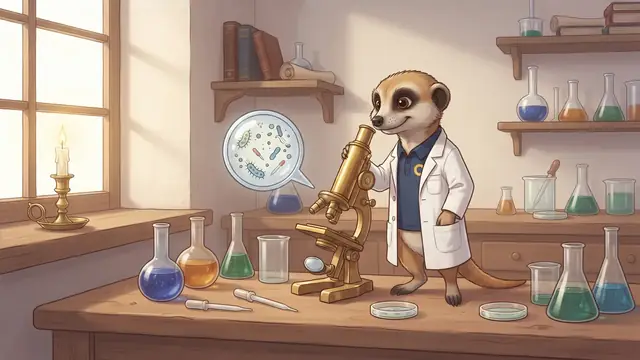
Modern hospitals
| Advance | What it means |
|---|---|
| Antiseptics (Lister) | Kill germs so wounds don’t get infected |
| Anaesthetic | The patient feels no pain |
| Sterilising | Kill all the germs on instruments |
| Florence Nightingale | Cleanliness and good nursing care |
| Blood transfusion | Treats severe bleeding |
| Transplant (Barnard) | An organ is replaced with a donor’s |
| Keyhole surgery | Operating through very small cuts |
The clinic’s Road to Health booklet records a baby’s growth and vaccinations. Routine immunisation is a big success; washing hands with soap stops many germs from spreading. Scientists keep researching, because germs change and new diseases appear.
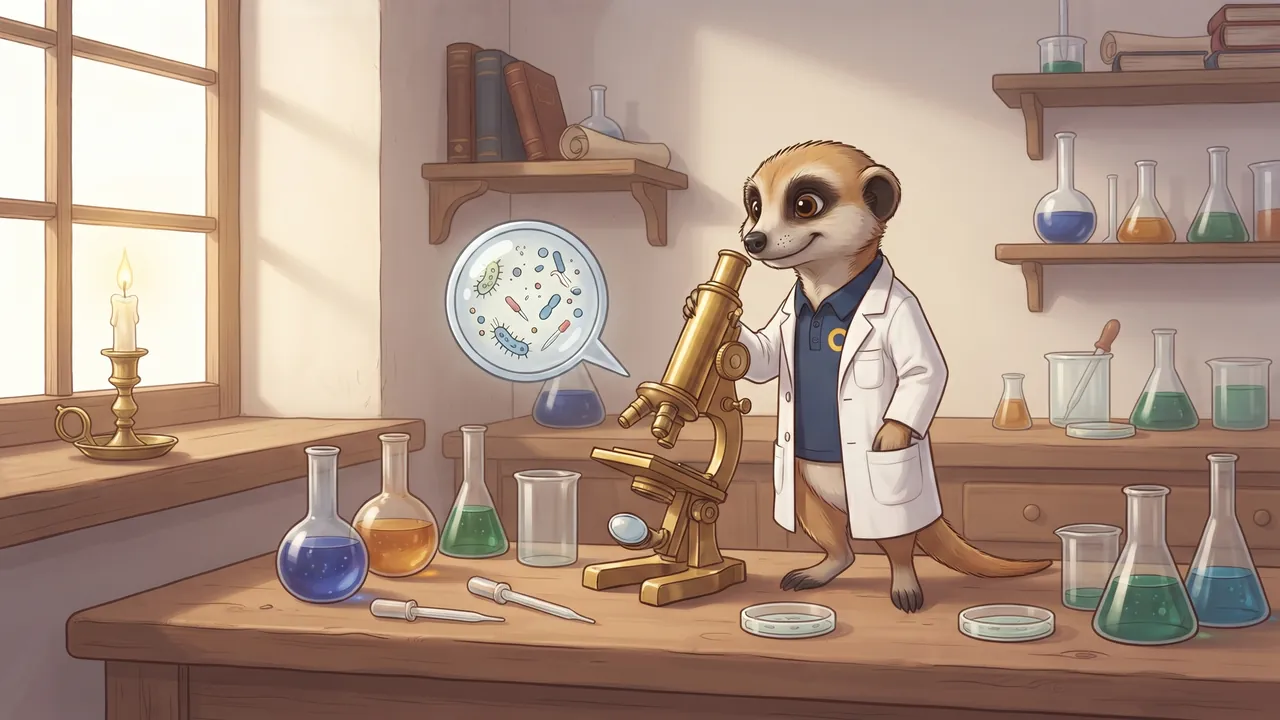
Western and holistic
- Western medicine finds the physical cause with tests and proves with research that a treatment works. Traditional healers often work holistically.
- Lindiwe’s broken arm is set, and a counsellor helps with her fear: Western and holistic care together.
- A healer sends a badly injured patient to a clinic; when healers and nurses train together, they learn when to refer. Both can help, in different ways.
Four discoveries against infectious disease
| Who | What | When |
|---|---|---|
| Edward Jenner (England) | Vaccine against smallpox: he noticed that milkmaids who had had cowpox did not get smallpox | 1796; smallpox was wiped out worldwide by 1980 |
| Louis Pasteur (France) | Proved that germs spoil food and cause disease; pasteurisation | 1860s |
| Robert Koch (Germany) | Found the germ that causes TB (tuberculosis) | 1882 |
| Alexander Fleming (Scotland) | Discovered penicillin, the first antibiotic, in a mould | 1928 |
Case study: the first heart transplant
On 3 December 1967 Dr Christiaan Barnard and his team at Groote Schuur Hospital in Cape Town performed the world’s first human-to-human heart transplant. The patient, Louis Washkansky, received a donor heart and lived for another 18 days. The next patient, Philip Blaiberg, lived for more than a year and a half.
| Discovery | How it helped |
|---|---|
| Anaesthetic (1840s) | The patient sleeps and feels nothing |
| Antiseptics and sterilising (Lister, 1860s) | Prevent infection after the operation |
| X-rays (Röntgen, 1895) | Doctors can see inside the body |
| Blood groups (1901) and blood transfusions | Blood can be given safely to a patient |
| The heart-lung machine (1950s) | Keeps the blood flowing while the heart is stopped |
Remember this and test yourself
- Germ theory: tiny living germs cause illness; Pasteur (France) and Koch (Germany) helped prove it.
- Pasteurising heats milk to kill harmful germs; Koch showed each illness has its own germ, and in 1882 found the germ that causes TB.
- Jenner (England)’s vaccine against smallpox (1796), with the idea from cows and milkmaids; Fleming (Scotland)’s penicillin (1928), the first antibiotic.
- Antibiotic resistance: medicine no longer kills the bacteria.
- Holistic (Greek: “whole”): healing the whole person: diet, sleep and feelings too.
Write these points in your book. Read them again the night before the test.

Four heroes, four lands: Pasteur (France), Koch (Germany), Jenner (England), Fleming (Scotland).
Important words
First say what the word means, then turn the card over.
Match column A to column B
Tap a word in column A, then its meaning in column B. You can also start in column B.
True or false?
Read the question and the answer. Is the answer right? Tap True or False.

Now the real quiz!
The quiz has many more questions on this topic. Every question shows straight away whether you are right and explains why.
Take the quiz: Medicine: germs, vaccines and modern surgery- Read one part together and ask your child to tell it back in their own words.
- The ticks (“I know this”) are saved on this device only. We never ask for names or emails.
Follows CAPS for Grade 6 Social Sciences (History). Always check your teacher’s notes and textbook too.