
Before Mapungubwe: K2, Schroda and world trade
Before Mapungubwe: Schroda and K2, trade with the east coast and Asia, and continuity and change. Read one part at a time and tap “I know this”. Then test yourself in the quiz.
Know it already? Jump straight to the quiz
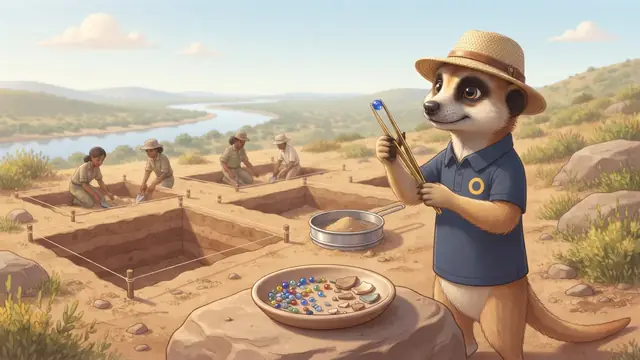
Continuity and change
Continuity and change: what stayed the same and what changed over time. An example of continuity: gold and ivory were traded for centuries. African traders carried goods on inland routes between the interior and the coast; dhows crossed the Indian Ocean with the monsoon winds.
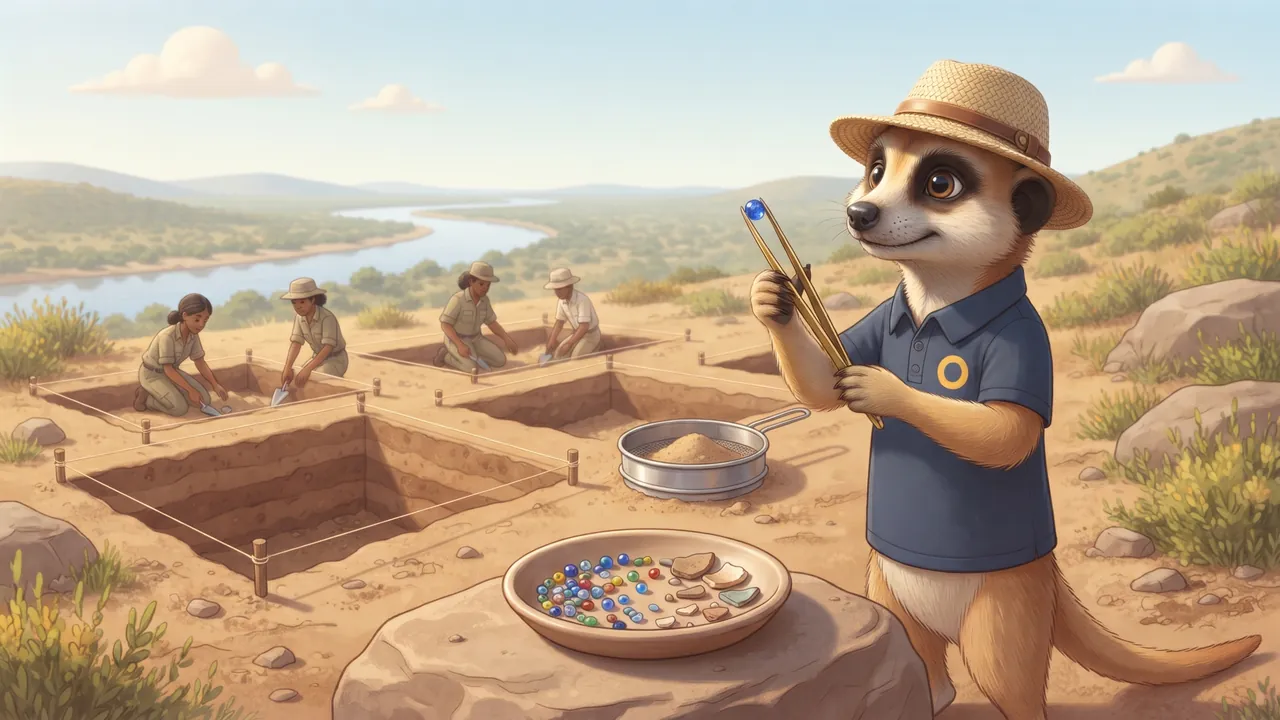
Sources
We know about Schroda and K2 because archaeologists dug up the sites. A 2015 textbook chapter is a secondary source. The Limpopo valley had rich soil and good grazing. Mapungubwe is a World Heritage Site, protected for all people.
Marco Polo
Marco Polo was a trader from Venice in Italy. In 1271, when he was 17, he travelled overland along the Silk Road to China with his father and uncle. He worked for the Mongol ruler Kublai Khan for about 17 years and only returned in 1295.
- His book about his travels told Europeans of China’s riches: silk, spices, porcelain, paper money and coal.
- It made European traders and explorers dream of going to the East themselves.
- Later explorers such as Christopher Columbus knew Marco Polo’s descriptions of Asia; Columbus made notes in his own copy of the book.
Same time, two worlds: while Marco Polo was in China, Mapungubwe was at its peak.
Remember this and test yourself
- People began living at K2 (Bambandyanalo) about AD 1000, near the Limpopo and Shashe rivers.
- Exports: gold, ivory and animal skins; imports: glass beads, cloth and porcelain, via Sofala and Kilwa.
- Glass beads were valuable because they were rare and came from far. Cattle showed wealth and power.
- Leaders wanted to live apart and higher: so people moved from K2 to Mapungubwe Hill.
- Marco Polo travelled to China at about the time Mapungubwe was at its peak; Asia was rich in silk and spices.
Write these points in your book. Read them again the night before the test.

Gold and ivory out, beads and porcelain in: a swap across the ocean.
Important words
First say what the word means, then turn the card over.
Match column A to column B
Tap a word in column A, then its meaning in column B. You can also start in column B.
True or false?
Read the question and the answer. Is the answer right? Tap True or False.

Now the real quiz!
The quiz has many more questions on this topic. Every question shows straight away whether you are right and explains why.
Take the quiz: Before Mapungubwe: K2, Schroda and world trade- Read one part together and ask your child to tell it back in their own words.
- The ticks (“I know this”) are saved on this device only. We never ask for names or emails.
Follows CAPS for Grade 6 Social Sciences (History). Always check your teacher’s notes and textbook too.