
Sedimentary rocks and their uses
How sandstone, shale and limestone form, how to recognise them, and what we use them for. Read one part at a time and tap “I know this”. Then test yourself in the quiz.
Know it already? Jump straight to the quiz
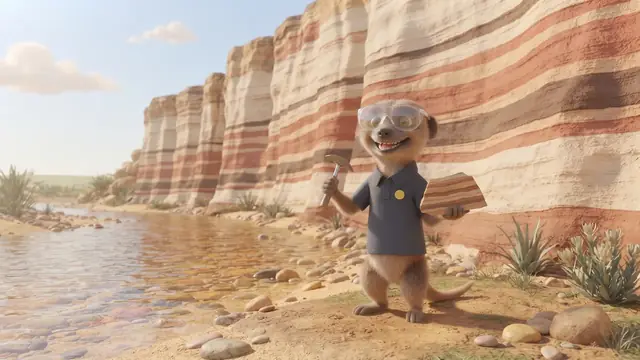
How it forms
Conglomerate is rounded pebbles cemented in finer sand. Coal is also a sedimentary rock: it formed from dead plants pressed in layers. Granite does not form from sediment.
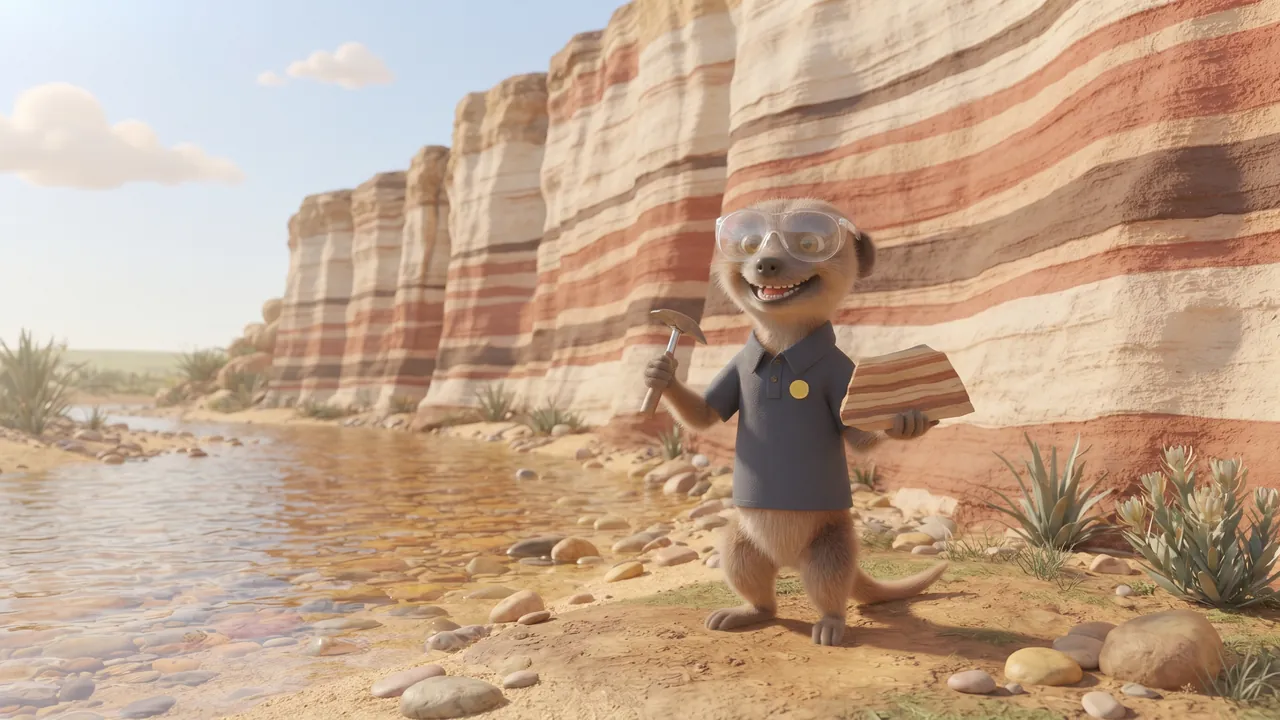
Uses
| Rock | Use |
|---|---|
| Sandstone | Building stone: can be cut into blocks and lasts long |
| Shale (clay) | Bricks and pottery |
| Limestone | Cement; agricultural lime for acid soil; old blackboard chalk |
| Sandstone and shale slabs | Paving and garden paths |
Concrete
Cement mixed with sand, stone and water makes concrete. So a rock from the sea becomes part of your house!
Remember this and test yourself
- Sediment is bits of rock, sand and mud that settle, mostly in water.
- Sandstone: sand grains pressed and ‘cemented’ together; feels rough like sandpaper.
- Shale: fine mud in thin layers; it splits easily into flat sheets.
- Limestone forms from the shells of sea animals; it is the main ingredient of cement.
- In a cliff the bottom layer is usually the oldest.
Write these points in your book. Read them again the night before the test.

Sedimentary rock is a sandwich: the bottom slice was put down first, so it is the oldest.
Important words
First say what the word means, then turn the card over.
Match column A to column B
Tap a word in column A, then its meaning in column B. You can also start in column B.
True or false?
Read the question and the answer. Is the answer right? Tap True or False.

Now the real quiz!
The quiz has many more questions on this topic. Every question shows straight away whether you are right and explains why.
Take the quiz: Sedimentary rocks and their uses- Read one part together and ask your child to tell it back in their own words.
- The ticks (“I know this”) are saved on this device only. We never ask for names or emails.
Follows CAPS for Grade 5 Natural Sciences and Technology. Always check your teacher’s notes and textbook too.