
Life cycles
The stages from birth to adult in insects, frogs, birds, mammals and plants. Read one part at a time and tap “I know this”. Then test yourself in the quiz.
Know it already? Jump straight to the quiz
Complete metamorphosis
The caterpillar does the most eating and growing. Inside the pupa it changes completely into a butterfly. A moth goes the same way: egg, caterpillar, cocoon, moth.
Frogs, birds and mammals
- A chicken’s cycle starts with an egg that is incubated (kept warm) until it hatches.
- Mammals, like a cat, have live young and feed them milk; there is no egg stage.
- A dog’s life cycle: a puppy is born alive → drinks its mother’s milk and grows → young dog → adult dog that can have puppies of its own.
- Mosquito larvae grow in standing water: empty containers to stop them.
Plants and the next generation
The flower makes seeds after pollination. Seed dispersal gives new plants space and light. Many animals lay lots of eggs, because most young do not survive: predators, drought and habitat loss make life short. Each generation produces the next, and so the species keeps going.
A flowering plant’s life cycle: seed → germinates (needs water, air and warmth) → seedling → adult plant → flowers → pollination → fruit with seeds → seeds are dispersed → new plants.
Parents care for their young
- Many animals care for their young so that they can grow: birds feed their chicks, a cow gives her calf milk, and a lioness teaches her cubs to hunt.
- A life cycle shows how one generation gives rise to the next, so that the kind keeps on existing.
Remember this and test yourself
- A life cycle is the stages from birth to having young of its own.
- Butterfly: egg → larva (caterpillar) → pupa → adult. The big change is called metamorphosis.
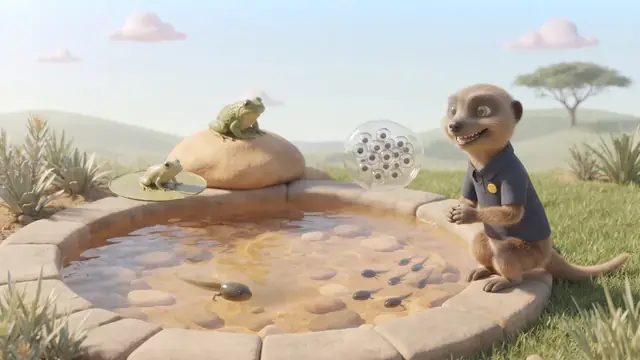
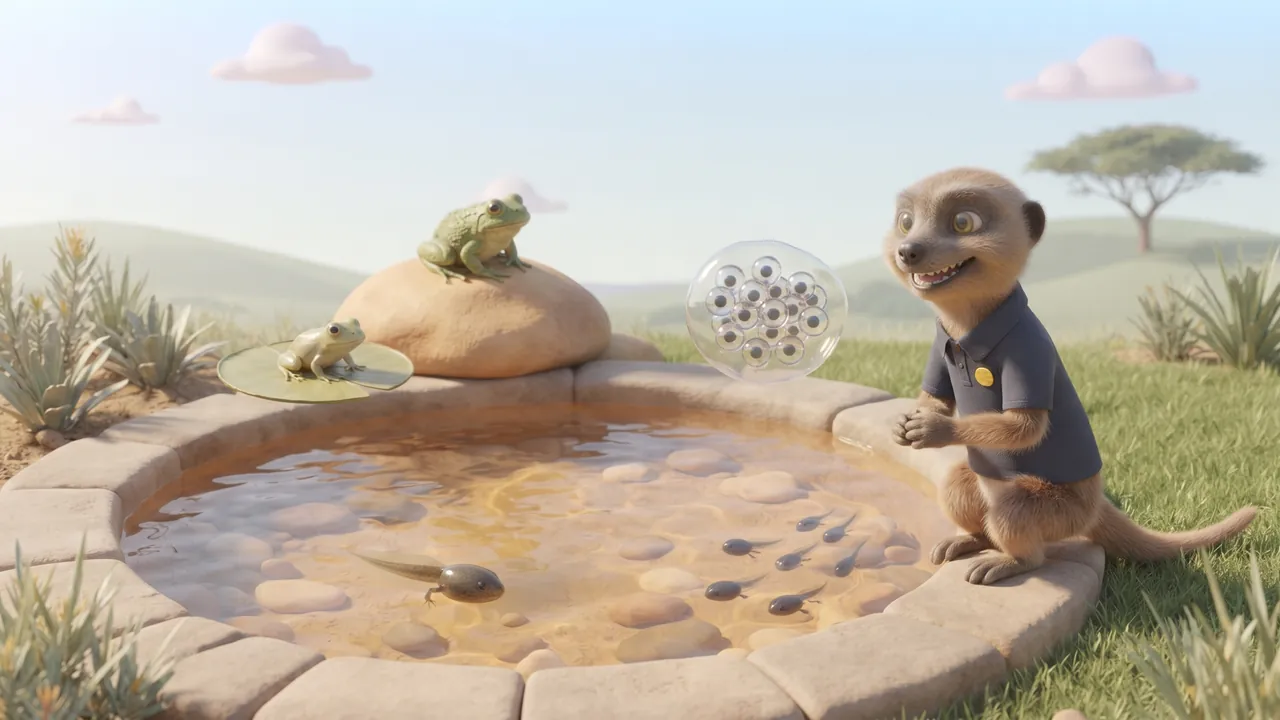
- Frog: eggs → tadpole → froglet → frog; the tadpole first breathes with gills.
- A grasshopper has no pupa: a nymph looks like a small adult and moults to grow.
- Plant: seed → seedling → mature plant → flower and new seeds. A seed germinates with water, air and warmth.
Write these points in your book. Read them again the night before the test.

Butterfly: E-L-P-A: “Every Little Pupa Awakes.” (Egg, Larva, Pupa, Adult)
Important words
First say what the word means, then turn the card over.
Match column A to column B
Tap a word in column A, then its meaning in column B. You can also start in column B.
True or false?
Read the question and the answer. Is the answer right? Tap True or False.

Now the real quiz!
The quiz has many more questions on this topic. Every question shows straight away whether you are right and explains why.
Take the quiz: Life cycles- Read one part together and ask your child to tell it back in their own words.
- The ticks (“I know this”) are saved on this device only. We never ask for names or emails.
Follows CAPS for Grade 5 Natural Sciences and Technology. Always check your teacher’s notes and textbook too.