
Fibres, fabrics and processing materials
Natural and synthetic fibres, how fabric is made, and materials we mix, bake and let set. Read one part at a time and tap “I know this”. Then test yourself in the quiz.
Know it already? Jump straight to the quiz
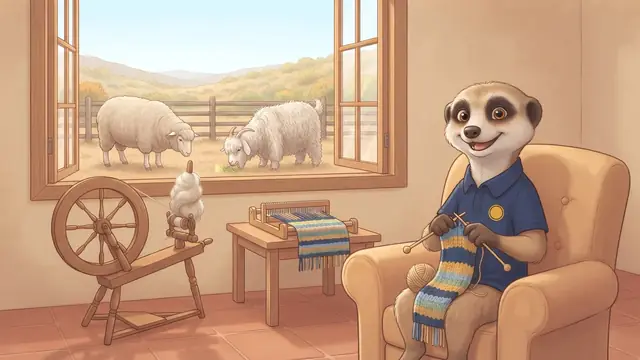
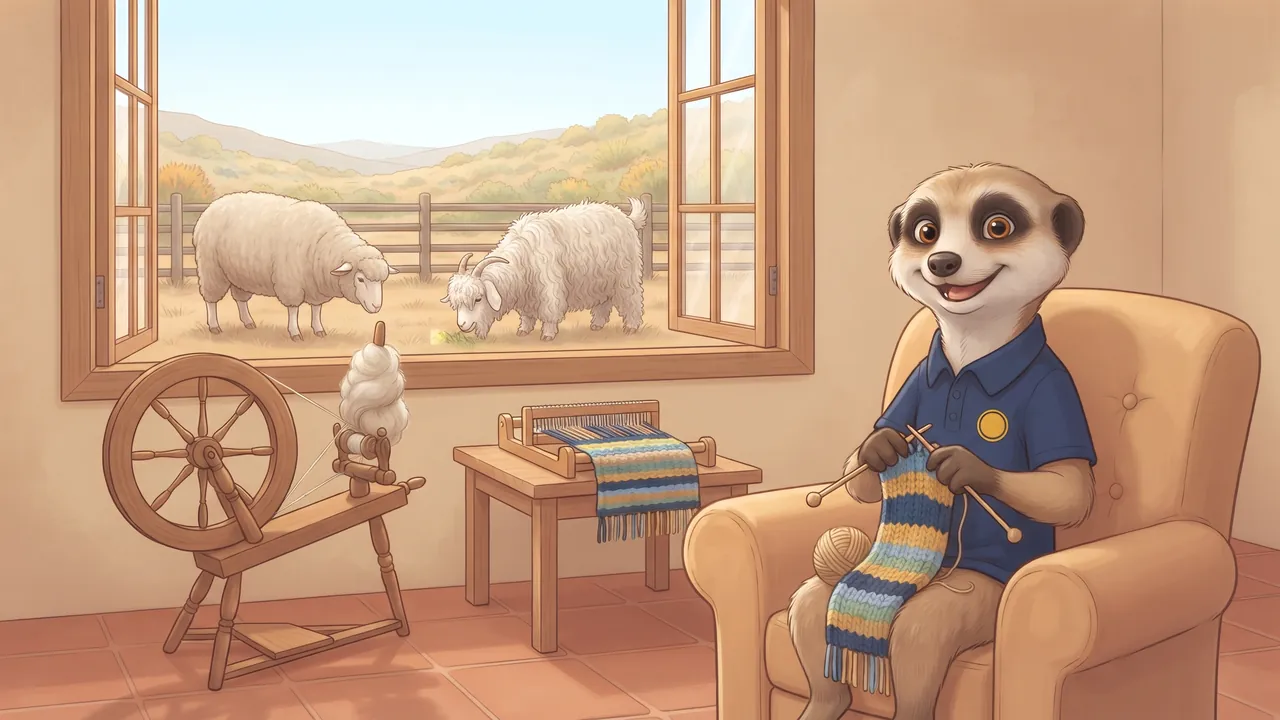
Fibres and fabric
| Fibre | Comes from | Kind |
|---|---|---|
| Cotton | Cotton plant | Natural (plant) |
| Wool | Sheep | Natural (animal) |
| Silk | Silkworm cocoons | Natural (animal) |
| Mohair | Angora goat | Natural (animal) |
| Nylon, polyester | Factories | Synthetic |
Weaving crosses threads over and under each other; knitting makes loops with needles. We sew pieces of fabric together with a needle and thread.
Bake, mix and let set
- A kiln is a very hot oven; clay fired in it becomes hard and stays hard.
- Plaster of Paris sets into a hard cast to hold a broken bone still.
- Bread dough: mix flour, yeast and water, knead it, let it rise and bake it.
- Jelly with hot water in the fridge sets into a wobbly solid.
- A paste (toothpaste, flour glue) is thick, soft and spreadable.
- Wet clay and straw are mixed, pressed into moulds and dried or baked to make clay bricks; the straw helps to hold the brick together.
- The new material often has different properties from the materials you started with: soft, wet plaster becomes hard, and powder and water become a wobbly jelly.
Ingredients are the raw materials you choose to make a product.
Choose the right cup
Glass is transparent, hard, durable and waterproof. A metal or clay mug is the most fire-resistant. A paper cup gets soggy and lets heat out, so it is poor for hot soup. Paper and wood both come from trees. We paint wood and metal for colour and protection. Ceramics (baked clay) are hard, waterproof and heat-resistant; plastic is light and waterproof and can be made in many colours; textiles (fabric) are soft and flexible.
Traditional processing in Africa
- For hundreds of years people in Africa have made clay pots and bricks from clay that is shaped, dried and baked.
- From grass and reeds they weave baskets, hats and mats, and they cover roofs with grass (thatched roofs).
- These processed materials are strong, durable and often waterproof.
Remember this and test yourself
- Natural fibres: cotton (plant), wool (sheep), silk (silkworm cocoons), mohair (Angora goat).
- Nylon and polyester are synthetic (man-made) fibres; they can be made waterproof.
- Fabric is made by weaving (threads over and under) or knitting (loops with needles).
- Clay is fired in a kiln and stays hard; plaster, concrete and jelly set.
- Concrete = cement + sand + stones + water.
Write these points in your book. Read them again the night before the test.

Cotton = Crop (plant). Wool = sheep (Woolly). Silk = Silkworm. Nylon = factory.
Important words
First say what the word means, then turn the card over.
Match column A to column B
Tap a word in column A, then its meaning in column B. You can also start in column B.
True or false?
Read the question and the answer. Is the answer right? Tap True or False.

Now the real quiz!
The quiz has many more questions on this topic. Every question shows straight away whether you are right and explains why.
Take the quiz: Fibres, fabrics and processing materials- Read one part together and ask your child to tell it back in their own words.
- The ticks (“I know this”) are saved on this device only. We never ask for names or emails.
Follows CAPS for Grade 5 Natural Sciences and Technology. Always check your teacher’s notes and textbook too.