
Feelings and friendships
Naming and handling feelings, empathy, good friendships and a healthy self-image. Read one part at a time and tap “I know this”. Then test yourself in the quiz.
Know it already? Jump straight to the quiz
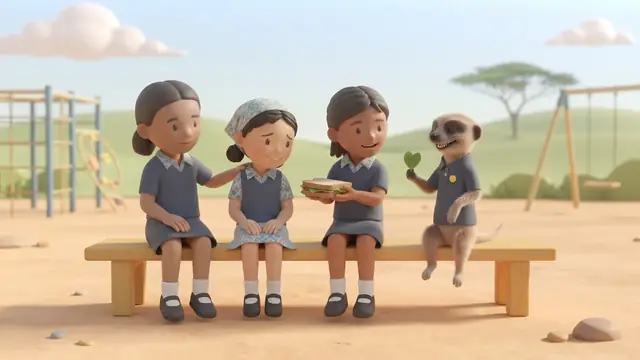
Naming feelings
| Feeling | What it is | What helps |
|---|---|---|
| Nervous | Worried about something coming; “butterflies” in your tummy | Prepare in time, ask for help |
| Jealous | You want what someone else has | Think of what you do well |
| Disappointed | Something did not work out as you hoped | Accept the feeling and try again |
| Lonely | You feel alone | Talk to someone |
Resilience means bouncing back after disappointment. A mistake? Admit it and learn from it.
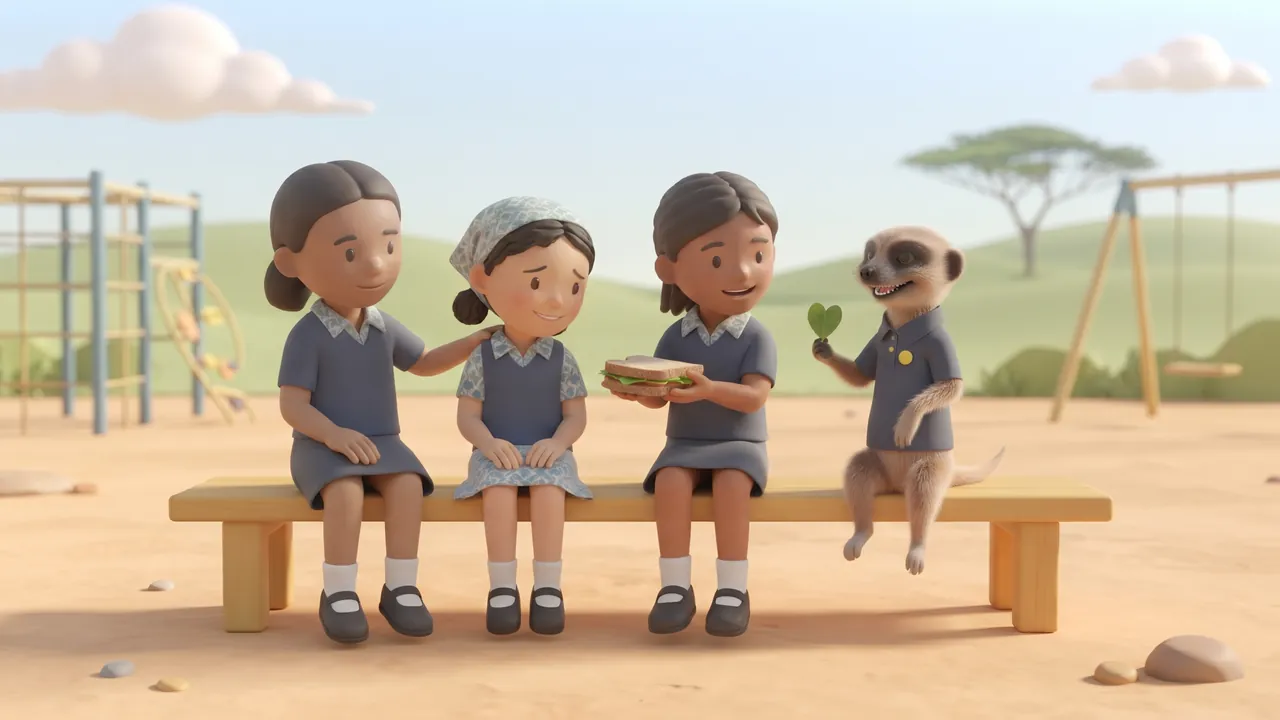
Friends and self-image
- Someone plays alone? Invite them to join you. Being kind and including others makes new friends.
- You hurt someone’s feelings? Apologise and put it right.
- A friend is sad: listen without giving advice straight away, and ask “Do you want to talk about it?”
- Your self-image is how you think and feel about yourself. Know your strengths; don’t compare yourself with others, because everyone is different.
Showing feelings in a good way
| Feeling | A good way to show it |
|---|---|
| Happiness | Smile, laugh and share your good news |
| Love | A hug for family, kind words, help someone |
| Fear | Tell an adult what you are afraid of |
| Jealousy | Admit it to yourself and think of what you do well |
Notice how others feel: look at their face and body language, and ask “Are you okay?”
Remember this and test yourself
- All feelings are normal, even angry, scared and nervous. Hurting someone is never right.
- Empathy: understanding how someone else feels.
- Angry? Walk away and calm down first, with slow, deep breaths.
- A good friend listens, shares and is honest; friendship rests on trust and respect.
- Sad for a long time? Talk to a parent or a trusted adult.
Write these points in your book. Read them again the night before the test.

Name it to tame it: say “I feel …” and the feeling gets smaller.
Important words
First say what the word means, then turn the card over.
Match column A to column B
Tap a word in column A, then its meaning in column B. You can also start in column B.
True or false?
Read the question and the answer. Is the answer right? Tap True or False.

Now the real quiz!
The quiz has many more questions on this topic. Every question shows straight away whether you are right and explains why.
Take the quiz: Feelings and friendships- Read one part together and ask your child to tell it back in their own words.
- The ticks (“I know this”) are saved on this device only. We never ask for names or emails.
Follows CAPS for Grade 4 Life Skills. Always check your teacher’s notes and textbook too.